

The copper industry is a cornerstone of global industrialization and technological advancement. Often overshadowed by their larger counterparts, junior copper miners play a pivotal role in shaping the industry's future. These smaller, typically exploration-focused companies specialize in discovering and developing new copper deposits, supplying the demand for this essential metal.
This article explores the significance of junior copper miners, their contributions to the global supply chain, the challenges they face, and their role in meeting the world’s growing need for copper sustainably and innovatively.
Copper is indispensable in modern infrastructure, renewable energy technologies, and electronics. Its unique properties, such as high conductivity and resistance to corrosion, make it ideal for applications ranging from electrical wiring and plumbing to wind turbines and electric vehicles (EVs). As nations transition to greener economies, the demand for copper has surged, with the International Energy Agency projecting a doubling of demand in the future.
However, this increasing demand poses a supply challenge. Large copper deposits are depleting, and finding new sources is becoming more complex and expensive. Junior miners step in, exploring uncharted territories and taking risks that major mining companies often avoid.
Junior copper miners are smaller companies focused primarily on exploration and early-stage development of copper projects. Different from major mining companies with diverse portfolios and established production capabilities, juniors lack significant revenue streams from mining operations. Instead, they rely on investments to fund their exploration activities, aiming to discover economically viable deposits.
These companies are typically more agile and innovative than their larger counterparts. They often venture into underexplored regions, employing cutting-edge technologies like satellite imaging, drone surveys, and AI-driven geological modeling to identify potential deposits.
Junior miners are the pioneers of the mining industry. They identify and define new copper resources, laying the groundwork for future production. Many of today’s largest copper mines were initially discovered by juniors.
Limited resources push junior miners to adopt innovative exploration techniques. Technologies such as machine learning algorithms, geospatial analytics, and advanced drilling methods have become standard tools in their arsenal, enabling them to identify deposits more efficiently.
Beyond their direct impact on the copper industry, junior miners play a crucial role in local economies. By creating jobs and fostering community development in remote areas, they help to stimulate economic growth.
Increasingly, junior miners are adopting sustainable practices to align with global environmental standards. It includes minimizing land disruption, implementing water recycling programs, and engaging with local communities to ensure equitable benefits.
Despite their significance, junior copper miners face numerous challenges that can hinder their progress:
Exploration is inherently risky and capital-intensive. Without guaranteed returns, securing investment can be a major hurdle for junior miners, especially during periods of low copper prices.
Mining regulations vary widely across jurisdictions. Compliance with environmental, social, and governance (ESG) standards adds complexity and costs to exploration projects.
Copper prices are subject to global economic conditions, trade policies, and supply-demand dynamics. Price fluctuations can impact a junior miner’s ability to raise funds or sustain operations.
Discovering a copper deposit is only the first step. Transforming that discovery into a viable mining operation requires technical expertise, infrastructure investment, and years of development.
The market for investment in junior mining is crowded, with many companies vying for attention from the same pool of investors.
Several junior copper miners have transitioned from exploration-focused entities to producers, creating significant value for investors and the industry:
Ivanhoe Mines, once a junior miner, discovered the Kamoa-Kakula copper deposit. Today, it is one of the largest high-grade copper deposits globally.
Originally a junior miner, First Quantum's exploration success led to the development of the Kansanshi mine, now one of the largest copper producers.
SolGold's Cascabel project is another example of a junior miner’s impact. This project is considered one of the most significant copper-gold discoveries in recent decades.
Investing in junior copper miners offers high-reward potential but comes with significant risks. Understanding the following factors can help mitigate these risks:
Assess the quality of a company’s exploration assets, including the size, grade, and accessibility of its copper deposits.
A strong management team with a proven track record in exploration and development can significantly influence a junior miner’s success.
Analyze the company’s funding sources and financial health to ensure it can sustain operations during challenging periods.
Projects located in mining-friendly jurisdictions with stable political environments are more likely to succeed.
Companies that prioritize ESG principles are better positioned to meet regulatory requirements and secure community support.
As the world shifts towards renewable energy and electrification, junior copper miners will play an increasingly vital role in meeting demand. Initiatives like electric vehicles, solar panels, and wind turbines depend heavily on a stable and sustainable copper supply.
However, the industry must overcome challenges such as declining ore grades, geopolitical risks, and environmental concerns. Collaboration between junior miners, governments, and major mining companies will be essential to navigate these issues and ensure the long-term sustainability of copper production.
Junior copper miners are at the forefront of innovation and discovery in the copper industry. Their willingness to explore uncharted territories, adopt cutting-edge technologies, and embrace sustainable practices underscores their importance in meeting the world's growing copper needs. Despite the risks, these companies offer significant opportunities for investors and are indispensable to the global copper supply chain. As the demand for copper continues to rise, junior miners will remain catalysts for growth and innovation in the industry, ensuring a brighter, more sustainable future. So you need to go through this complete guide to get the detailed knowledge regarding this field.

Gold has always been considered a haven for investors, especially during times of economic uncertainty. Its intrinsic value, historical significance, and ability to hedge against inflation make it a popular choice. However, while owning physical gold or investing in gold ETFs is common, a less-discussed but lucrative avenue lies in gold stocks dividend that pay dividends. These investments not only offer exposure to the gold market but also provide regular income streams in the form of dividends.
This article explores the world of gold stocks with dividends, their benefits, considerations, and how they can fit into a diversified investment strategy.
Gold stocks represent shares in companies involved in gold mining, refining, or exploration. Unlike physical gold, which derives its value from the commodity itself, the value of gold stocks is influenced by the company's operations, profitability, and the overall market perception of its potential.
Dividend-paying gold stocks provide a regular income stream, which is especially appealing for retirees or those seeking passive income. While physical gold and ETFs depend on price appreciation for returns, dividend stocks pay you periodically regardless of market conditions.
Investors benefit from both the appreciation in gold prices and the dividend payouts. During gold price surges, stock values may rise, creating an opportunity for capital gains, while dividends ensure steady returns even in less bullish markets.
Dividend-paying companies are often more financially stable and less speculative than their non-dividend counterparts. Their ability to pay dividends reflects strong cash flow and robust operations, making them relatively safer during economic downturns.
Gold has historically acted as a hedge against inflation, preserving purchasing power when currency values decline. Owning gold stocks adds a layer of diversification, combining the benefits of gold with the growth potential of equities.
Several well-established gold mining companies are known for consistent dividend payouts. Here are some notable names:
Newmont is one of the largest gold mining companies globally and a leader in dividend payouts. The company operates in several countries, ensuring a diversified asset base. Its dividend policy is linked to gold prices, often resulting in higher payouts during price surges.
Barrick Gold is another industry giant known for strong operational performance and consistent dividends. Focusing on efficient mining and cost control, it has established itself as a reliable choice for dividend investors.
Unlike traditional mining companies, Franco-Nevada is a royalty and streaming company, meaning it earns revenue from other companies' production. This model reduces operational risks and ensures stable dividend payouts.
Agnico Eagle has a strong history of returning value to shareholders through dividends. Its consistent performance and focus on long-term growth make it a favorite among conservative investors.
When considering gold stocks for dividend income, it’s essential to evaluate several factors:
The dividend yield is a critical metric indicating how much a company pays in dividends relative to its stock price. While a higher yield may seem attractive, it’s essential to ensure the company can sustain it.
A consistent dividend history is a sign of financial stability and management’s commitment to returning value to shareholders. Look for companies with a track record of increasing dividends over time.
Evaluate the company’s balance sheet, debt levels, and cash flow. A financially healthy company is more likely to maintain and grow its dividend payouts, even during economic downturns.
Understand how sensitive the company’s operations are to fluctuations in gold prices. Companies with low production costs and diversified revenue streams are better equipped to handle market volatility.
Look beyond dividends to assess the company’s growth strategy, including new mining projects, acquisitions, or technological advancements. A combination of income and growth potential can maximize returns.
Regular Income: Dividends provide a steady income source, complementing other investments.
Diversification: Gold stocks diversify portfolios by adding exposure to commodities.
Inflation Hedge: Offers protection against the eroding value of currency.
Capital Appreciation: Potential for stock price growth along with dividend income.
Market Volatility: Gold prices can be volatile, affecting company profitability and stock prices.
Operational Risks: Mining companies face risks such as environmental regulations, labor strikes, and geopolitical tensions.
Dividend Cuts: Dividends are not guaranteed and may be reduced during financial hardships or declining gold prices.
Currency Fluctuations: Companies operating internationally may face currency risks, impacting their financial performance.
Spread investments across multiple companies to reduce the risk associated with any single entity. For added stability, consider a mix of traditional mining companies and royalty firms.
Use dividend reinvestment plans (DRIPs) to buy additional shares, compounding returns over time.
Stay informed about factors influencing gold prices, such as inflation rates, geopolitical tensions, and central bank policies. These can impact stock performance and dividend sustainability.
Gold stocks should complement, not dominate, your portfolio. To manage risk effectively, maintain a diversified mix of equities, bonds, and other asset classes.
As global economic uncertainties persist, the demand for gold and related investments is likely to remain strong. Companies that prioritize operational efficiency and cost management are expected to continue thriving, ensuring consistent dividends for investors. Furthermore, advancements in mining technology and sustainable practices are expected to enhance profitability, thereby offering strong long-term growth potential.
Gold stocks dividend present a unique opportunity for investors seeking exposure to gold and a steady income stream. By combining the stability of gold with the growth potential of equities, these stocks offer a compelling addition to a diversified portfolio. However, as with any investment, thorough research and a clear understanding of risks are crucial. Evaluate companies based on dividend history, financial health, and market dynamics to make informed decisions.

Nickel is the latest among many essential metals that the world of investment seems to be paying so much attention to. The demand for clean energy technologies, such as electric vehicles (EVs) and batteries, has brought this metal into the spotlight. For small investors looking to diversify their portfolio, nickel stock is promising, but all investments carry their risks with them. In this article, we will explore what nickel is, why it's important, how to invest in nickel stocks and the key factors that influence the market.
Nickel is a silvery-white metal mainly used to make stainless steel, representing about 70% of all worldwide uses. It is used in its alloys for airframes in aircraft and in chemical plants for protection against corrosion and withstanding high temperatures. Yet, in recent years, nickel has emerged as a prime contender in the energy sector.
Nickel is among one of the major raw materials used in lithium-ion batteries, especially used in many electric vehicles (EVs), energy storage systems, and other electronic appliances. Amidst the push toward greener technologies and sustainable sources of energy, demand for nickel has skyrocketed, especially in the context of battery production. These developing nickel-based clean energy solutions have attracted investors looking to ride the value wave for this metal.
Investing in nickel stocks allows investors to gain exposure to the nickel market without having to buy and hold the metal itself directly. Several factors make nickel stocks attractive:
There are several ways to invest in nickel stocks, ranging from individual companies to exchange-traded funds (ETFs) that focus on nickel and other related metals. Here are the main approaches:
Before jumping into the nickel market, investors should carefully consider several factors that influence the price of nickel and the financial performance of nickel-related companies:
Nickel stocks are a wonderful investment opportunity for those who would like to make the best out of increased demand in clean energy technology applications, such as electric vehicles and battery applications. But an investment in nickel also implies the possibility of significant returns; it is something that carries risks from disruptions in supply chains to changes in regulations and geopolitical instability. With the right companies or investment vehicles, like ETFs, and some monitoring of the factors leading to shifts in the nickel market, investors can make more informed decisions and benefit when it becomes increasingly important in the global economy.
This can be an alternative way of investing in gold for investors who prefer the stock market over physical bullion. Since, in the past, when times were uncertain, people turned towards gold for their refuges, many investors consider gold mining stocks as an excellent potential growth hedge against inflation. However, gold mining stock investment is not easy at all-it involves specific risks and considerations. Let's run through some of the important tips to make you a better decision-maker and build up a successful portfolio.

Before diving in, it's crucial to understand how gold mining stocks work. These are shares of companies involved in the extraction, production, and sale of gold. Unlike holding physical gold, owning mining stocks provides exposure to gold prices with the added element of company-specific factors, such as management efficiency, production costs, and debt levels. Therefore, a gold mining company’s performance doesn’t just depend on the price of gold but also its operations.
Major Gold Producers: These are large, established companies with significant production levels, such as Barrick Gold or Newmont Corporation. They typically offer stability and are less volatile.
Junior Miners: These are smaller, exploration-focused companies that have yet to reach large-scale production. They carry higher risk and higher growth potential, as their success often depends on discovering new gold deposits.

The price of gold is a primary driver of gold mining stock performance. When gold prices rise, mining stocks generally follow suit, as higher gold prices mean increased profitability for miners. However, gold is a commodity heavily influenced by global economic factors, including:
Inflation: Gold is often viewed as a hedge against inflation. When inflation rises, gold prices tend to go up as investors seek safe-haven assets.
Interest Rates: Lower interest rates tend to support gold prices as non-yielding assets like gold become more attractive. Conversely, higher interest rates may negatively impact gold prices.
Geopolitical Tensions: Political uncertainties and crises often drive up demand for gold as a safe asset, benefiting gold mining stocks.
Understanding these market conditions can help you better time your investments. Investing in gold mining stocks during rising gold prices can amplify returns, while investing during low-price periods may require patience.

Due diligence is essential when selecting individual gold mining stocks. Examine each company’s fundamentals, such as:
Debt Levels: High debt can be risky, especially if gold prices decline. Look for companies with manageable debt-to-equity ratios.
Production Costs: Compare the cost of production per ounce across companies. Lower-cost producers tend to be more resilient to fluctuations in gold prices.
Reserves and Resources: The more reserves a company has, the more potential it has for long-term stability. Consider the quality and accessibility of these reserves and potential discoveries.
Management Team: What is needed is an experienced and proven management team with records of gold mining. Management plays a definitive role in effective cost management, strategic planning, and operations execution.
Some major gold mining companies offer dividends, which can be an added benefit to investors. Dividends provide a steady income and can offset price volatility in gold. When considering dividends, look at:
Dividend Yield: This is the dividend payment relative to the stock price. Compare yields across gold mining stocks to find the best options.
Dividend History: A company with a consistent history of paying dividends is generally more reliable. Beware of companies with erratic dividend payments, as they might be susceptible to unstable revenue flows.
Payout Ratio: This is the percentage of earnings paid out as dividends. A lower payout ratio suggests that the company is reinvesting more of its earnings, which could indicate future growth potential.
Gold mining is an international company that operates in different parts of the world, but some areas are more risky in terms of geopolitical and regulatory risk than others. For example, companies operating in politically unstable areas are prone to face expropriation risks, government-imposed taxes, or any unfavorable regulations that can be prejudicial to profitability.
Before investing in the company, examine the country and assess the legal and regulatory framework within which it operates. Nations with strong rule of law and clear mining regulations, such as Canada and Australia, may be less risky than mining companies based in countries whose politics are considered volatile.
The mining industry faces increasing pressure to adopt sustainable practices. Many investors are now considering Environmental, Social, and Governance (ESG) factors when choosing investments. Look for companies committed to reducing their environmental impact, supporting fair labor practices, and upholding ethical governance.
Companies that prioritize ESG are more likely to maintain a good public image, avoid regulatory issues, and attract responsible investors. Additionally, as global demand for ethical investments grows, these stocks may experience a "green premium," where they’re valued higher due to responsible practices.
Gold mining is a dynamic industry with frequent news on exploration results, mergers and acquisitions, and regulatory changes. Staying informed can give you a competitive advantage and help you make timely decisions.
Subscribe to news feeds or newsletters focused on mining and commodities. Pay attention to any developments related to your chosen stocks, such as production updates, discoveries, or partnerships.
Gold mining equities may be an attractive area in which to invest, but it often requires a long-term commitment. The businesses of gold mining companies are inherently capital-intensive, and projects take years to mature. Your holding through the cycles of the market could get you in a position to better realize the pickup in production or discoveries being made.
Investment in gold mining stock is also an interesting way to invest in gold and benefit from the growth of the stock market. These stocks require caution and thoughtfulness regarding variables such as cost of production, debt levels, and the overall marketplace environment. They help in diversification, understanding of the risk involved, and geopolitical factors to make a balanced and resilient portfolio.
Remember, however, that although gold mining stocks can present some great opportunities, they also come with risks. By following these tips, you will be more empowered to make the right decisions and, therefore, increase your chances of succeeding in the gold mining stock market.

Canada’s mining industry stands as a cornerstone of the country's economy, playing an essential role in its development and maintaining a global presence in resource extraction. Canadian mining companies are among the largest in the world, renowned for their expertise in extracting valuable minerals such as gold, copper, nickel, and uranium. With a vast geography and rich geological diversity, Canada offers an abundance of natural resources, making the country a top destination for mining activity.
Canada’s mining sector is a significant driver of the national economy, contributing to employment, government revenue, and trade. Indirectly, the sector creates jobs in supporting industries, such as equipment manufacturing, technology, and transportation, multiplying the sector’s economic impact.
Mining companies are also a major source of foreign investment and trade for Canada. Canada is one of the largest exporters of minerals and metals globally, including commodities like gold, nickel, and copper. Canadian companies own operations in over 100 countries, contributing to international trade and foreign revenue. The Stock Exchange is a global leader in mining finance, with over half of the world’s publicly listed mining companies trading on the exchange, giving Canada a pivotal role in global mining capital markets.
Among the various minerals mined in Canada, gold stands out as a key player in the economy. Canadian gold mining companies like Barrick Gold and Kinross Gold are world-renowned for their production capacity and operational excellence. Gold mining is a crucial sector, not only for the revenue it generates but also because of its stable demand during economic uncertainty.
These companies have also expanded their operations globally, with a significant presence. The exploration and production of gold continue to fuel Canada’s mining industry, bolstering its role in global commodity markets.
While the Canadian mining sector is an economic powerhouse, it also faces significant scrutiny due to its environmental impact. Mining operations are inherently disruptive to the environment, leading to concerns about deforestation, water contamination, habitat destruction, and greenhouse gas emissions. As a result, Canadian mining companies are under increasing pressure to adopt sustainable practices and reduce their ecological footprint.
In recent decades, environmental regulations have tightened, requiring mining companies to engage in more responsible practices. The implementation of the Mining Association of Canada’s Toward Sustainable Mining (TSM) initiative is one such example. TSM encourages companies to adopt more transparent environmental policies, ensure proper tailings management, and engage in meaningful consultation with local communities, including Indigenous groups, before commencing operations.
Companies like Teck Resources have taken the lead in incorporating sustainability into their operations by committing to carbon neutrality, water conservation, and land reclamation initiatives. Mining companies are also making efforts to improve relations with Indigenous communities, who are often most affected by mining activities on their traditional lands. Building partnerships with Indigenous groups through consultations and profit-sharing agreements has become increasingly common.
Canadian mining companies operate on a global scale, with operations spanning continents, particularly in resource-rich regions. This global presence has made Canada a major player in the global mining industry, with Canadian firms controlling a substantial portion of mining projects worldwide.
For example, companies like Ivanhoe Mines have spearheaded significant copper and nickel projects, contributing to the continent's industrial development. Canadian firms are heavily involved in copper and gold mining operations, particularly in several countries. However, the expansion of Canadian companies abroad has been subject to controversy, with some operations accused of environmental degradation and human rights violations.
The Canadian government has made efforts to address these issues by implementing the Extractive Sector Corporate Social Responsibility (CSR) Strategy, which aims to ensure that Canadian companies operating abroad adhere to ethical and environmental standards. Nevertheless, achieving a balance between profitability and corporate responsibility remains a challenge for many firms.
Technological innovation is critical to the future success of Canada’s mining sector. As mineral deposits become harder to access and more remote, mining companies must rely on cutting-edge technology to remain competitive. Automation, robotics, artificial intelligence (AI), and data analytics are transforming mining operations and improving efficiency, safety, and environmental performance.
Mining equipment automation, for example, allows for remote operation of machinery, reducing the need for human labor in hazardous conditions. AI and data analytics help optimize mining processes by predicting equipment failures, monitoring mineral yields, and improving resource extraction techniques. Companies like Rio Tinto and Vale Canada are pioneering the use of technology to enhance operational efficiency and sustainability in their Canadian and global mining operations.
In addition to improving mining methods, technology is also being used to mitigate environmental impacts. Technologies such as carbon capture and storage (CCS) are being tested to reduce emissions from mining activities. In contrast, water treatment technologies are being implemented to prevent contamination of local water sources. These advancements are critical as the industry moves toward a more sustainable future.
Despite its successes, the Canadian mining sector faces several challenges that could shape its future. Regulatory hurdles, rising production costs, and fluctuating commodity prices constantly pressure profitability. Additionally, geopolitical instability in regions where Canadian companies operate poses risks to global operations.
One of the most significant challenges is the growing demand for critical minerals such as lithium, cobalt, and rare earth elements, which are essential for modern technologies like electric vehicles and renewable energy systems. While Canada is rich in these minerals, the extraction and processing of critical minerals require significant investment in infrastructure and new technology. Competing globally in this sector will require Canada to develop domestic supply chains, processing facilities, and partnerships with global tech companies.
Canadian mining companies have built a global reputation for excellence in mineral extraction, technological innovation, and corporate responsibility. The industry’s contributions to the economy, both domestically and internationally, are profound, and the future looks promising as Canada shifts its focus toward critical minerals and sustainability.

Graphite, an essential component in a variety of industries, has gained significant attention due to its role in the green energy revolution. Investors are now turning their focus toward graphite mine stocks as these companies are poised to play a critical role in supplying this strategic mineral. This article explores the graphite market and the importance of graphite mining and provides insights for investors interested in graphite mine stocks.
Graphite is a naturally occurring form of carbon with unique properties that make it indispensable in numerous applications. Its ability to conduct electricity, resist high temperatures, and act as a lubricant makes it valuable in various industries. However, its most critical role today is in the energy storage sector, particularly for use in the anodes of lithium-ion batteries.
The surge in electric vehicle (EV) adoption and renewable energy sources has created a demand for energy storage systems, which rely on lithium-ion batteries. These batteries are a crucial part of modern EVs, smartphones, laptops, and renewable energy systems. In fact, the lithium-ion battery industry consumes approximately 26% of the world’s graphite supply.
Beyond lithium-ion batteries, graphite has applications in steelmaking, nuclear reactors, aerospace, and the production of lubricants. Each of these sectors also contributes to the demand for graphite. For instance, graphite is used as a refractory material in steelmaking, as it can withstand extreme temperatures without breaking down. Similarly, the aerospace industry uses high-purity graphite in advanced manufacturing processes.
The demand for graphite is growing due to its use in lithium-ion batteries, EVs, and other industrial applications. However, the supply of graphite is constrained, particularly as it tightens its export restrictions and environmental regulations. It has led to a global push to develop new graphite mines outside of the country.
Investors should closely monitor supply-demand dynamics, as any disruption in supply can lead to price volatility. Graphite is not traded on conventional commodity exchanges like gold or oil, so its price is influenced more by direct supply and demand factors.
Its dominance in the graphite market creates a degree of geopolitical risk. Any changes in government policy, trade restrictions, or environmental regulations can significantly impact the supply of graphite. Investors should pay attention to these factors, as they can affect the profitability and stock prices of graphite mining companies.
Investing in emerging graphite mining companies offers high growth potential, but it also comes with higher risk. Many of these companies are in the exploration or early production stages, meaning they have yet to achieve steady revenue streams. However, if these companies successfully develop their mining operations, they can deliver substantial returns to investors.
Investors should evaluate a company's resource base, production potential, and the quality of its graphite deposits. High-purity graphite is especially valuable for use in lithium-ion batteries, and companies with access to high-quality graphite reserves are likely to be more profitable.
Sustainability and environmental, social, and governance (ESG) factors are increasingly important in the mining sector. Mining operations, including graphite mining, have significant environmental impacts, such as deforestation, habitat destruction, and water pollution.
As the global focus on sustainability increases, companies that prioritize ESG initiatives are more likely to attract investment. Investors should look for companies that have implemented responsible mining practices, such as reducing their carbon footprint, managing waste, and engaging with local communities.
Technological advancements in mining, processing, and battery manufacturing are likely to influence the future of graphite demand. Companies that invest in innovative extraction methods and processing technologies may be better positioned to meet the growing demand for high-purity graphite, especially for use in the rapidly expanding EV market.
In addition, advancements in alternative battery technologies, such as solid-state batteries or silicon-based anodes, could impact the demand for graphite. While graphite is currently the dominant anode material, these emerging technologies may eventually reduce the need for graphite in certain applications.
Syrah Resources is a leading graphite producer. Its flagship Balama project it is one of the largest high-purity graphite mines in the world. The company is well-positioned to supply the growing demand for battery-grade graphite, particularly in the EV market.
NextSource Materials is focused on developing its Molo graphite project. The company recently announced plans to build a battery anode facility, which could position it as a key supplier of battery-grade graphite.
Mason Graphite is a mining company that is developing the Lac Guéret graphite project. The company aims to produce high-purity graphite for use in lithium-ion batteries and other industrial applications.
Magnis Energy Technologies mines graphite and manufactures batteries. Its Nachu project is expected to supply high-quality graphite for the growing battery market.
While the future of graphite mining looks promising, there are several risks and challenges that investors should consider:
The increasing demand for graphite, driven by the rise of electric vehicles and renewable energy storage, presents a compelling investment opportunity in graphite mine stocks. While the sector offers significant growth potential, it is not without risks. Investors must carefully evaluate the supply-demand dynamics, geopolitical risks, and sustainability efforts of the companies they choose to invest in.

Barrick Gold Corporation is one of the largest gold mining companies in the world. As one of the leaders in the gold mining industry, the performance of Barrick Gold stock price is of keen interest to investors, particularly those with an eye on commodities, mining, and precious metals. Several factors, including global gold prices, company-specific news, geopolitical tensions, and overall market sentiment, influence the stock price of Barrick Gold.
Barrick Gold's stock price has shown fluctuations in response to global economic conditions and gold price volatility. As gold is typically seen as a safe-haven asset, its price tends to rise during periods of economic uncertainty or inflationary pressures.
Barrick Gold stock price remains a significant player in the gold mining industry, and a combination of macroeconomic factors, gold prices, operational performance, and geopolitical events influences its stock. As a leading gold producer, Barrick Gold offers investors exposure to the gold market, and its stock can serve as both a growth and income opportunity, particularly in periods of heightened gold demand.
The Junior Gold Miners Stocks sector has long been a favored choice among investors seeking both stability and growth, especially during times of economic uncertainty. Within this sector, Junior gold miners stocks smaller companies that explore and develop gold mining projects—present unique opportunities and risks. This article delves into the dynamics of junior gold miners, their market significance, investment considerations, and outlook for the future.
Junior Gold Miners Stocks are typically smaller, independent mining companies engaged in the exploration and development of gold properties. They often focus on early-stage projects, which involve high risks but can also offer substantial rewards if successful. Unlike major mining corporations, which generally have established operations and revenue streams, junior miners are often dependent on capital markets for funding their exploration activities.

These companies usually have lower market capitalizations, making them more volatile. Various factors, including commodity prices, geopolitical events, and broader market trends, can influence them. Despite these challenges, junior miners can yield impressive returns for investors who are willing to take on the risks involved.
The gold mining industry is categorized into three primary segments: major miners, mid-tier miners, and junior miners. Major miners, such as Barrick Gold and Newmont Corporation, operate large, established mines and have stable production. Mid-tier miners, like Kirkland Lake Gold, occupy a middle ground with diversified portfolios and sustainable cash flows.
In contrast, junior gold miners focus on exploration, with the potential to develop new mining projects. According to the World Gold Council, the junior mining sector has gained traction as investors increasingly seek exposure to gold, especially during economic downturns and inflationary periods. As central banks around the world ramp up gold purchases and investors flock to safe-haven assets, junior gold miners present a compelling investment thesis.
Investing in Junior Gold Miners Stocks can be enticing, but it's essential to consider several key factors:
Project Viability: The potential of a junior miner's exploration project is paramount. Investors should evaluate the quality of the asset, its location, and its geology. A project with high-grade gold deposits located in a mining-friendly jurisdiction is generally more attractive.
Management Team: The experience and track record of the management team play a crucial role in a junior miner's success. A team with a history of successful exploration, development, and operational management can significantly increase a project's chances of success.
Financing: Junior miners often rely on equity financing to fund exploration and development. Investors should assess the company's financial health, including its cash reserves, debt levels, and ability to secure future funding.
Market Sentiment: Junior miners can be more sensitive to market sentiment and gold price fluctuations than their larger counterparts. Investors should stay informed about broader market trends, macroeconomic indicators, and gold price movements.
Regulatory Environment: The mining industry is subject to stringent regulations and environmental considerations. A favorable regulatory environment can facilitate smoother project development, while adverse regulations can hinder progress.
While Junior Gold Miners Stocks can offer substantial rewards, they come with inherent risks:
Exploration Risk: The primary risk associated with junior miners is exploration risk. Many exploration projects do not result in economically viable deposits, leading to wasted capital and resources.
Market Volatility: Junior gold stocks are known for their volatility. Factors such as changes in gold prices, macroeconomic shifts, and geopolitical events can lead to significant price fluctuations.
Liquidity Risk: Many junior miners have lower trading volumes compared to larger mining companies, resulting in liquidity risk. Investors may find it challenging to buy or sell shares without impacting the stock price.
Funding Risk: Junior miners often depend on external financing, so they may struggle to secure funds during unfavorable market conditions. This can lead to project delays or even the cessation of operations.
Several junior gold mining companies have gained attention for their strong exploration potential and growth prospects. Here are a few notable players in the sector:
Sandspring Resources: This company focuses on developing its gold project, which has shown significant potential.
G Mining Ventures: G Mining is focused on advancing its flagship gold project. With a solid exploration program and an experienced team, the company has shown promising results.
Royal Gold: While primarily known for its streaming and royalty business, Royal Gold invests in several junior miners and provides funding to exploration projects. This strategy allows it to participate in the upside of junior gold projects while mitigating some risks.
Osisko Mining: With a focus on its flagship project that has garnered investor interest due to its substantial gold resources and strong exploration potential. The company's strategic approach to development has positioned it favorably within the sector.
The junior gold mining sector is also benefiting from technological advancements that enhance exploration and production efficiencies. Innovative exploration techniques, such as geophysical surveys and advanced drilling methods, enable junior miners to identify potential gold deposits more effectively. Additionally, automation and digital technologies can improve operational efficiency, reduce costs, and enhance safety in mining operations.
Looking ahead, the junior gold mining sector appears poised for growth. The continued demand for gold as a safe-haven asset, coupled with the potential for rising gold prices, creates a favorable environment for junior miners. As central banks remain vigilant in their monetary policies and geopolitical tensions persist, the allure of gold as a hedge against uncertainty will likely strengthen.
Moreover, the focus on sustainable and responsible mining practices is gaining momentum. Junior miners who prioritize environmental, social, and governance (ESG) factors are likely to attract a growing base of socially conscious investors. Companies that adopt sustainable practices not only contribute to their communities but also enhance their reputations in a competitive market.
Investing in junior gold miners stocks can be a rewarding venture for those willing to navigate the associated risks and volatility. The potential for significant returns, coupled with the ongoing demand for gold, positions junior miners as an intriguing choice in the investment landscape. However, due diligence is crucial—investors should thoroughly evaluate the prospects of individual companies, consider market trends, and remain informed about the broader economic landscape.
Junior mining stocks, companies in the early stages of exploration and development in the mining industry, are known for their potential to offer significant returns to investors. Unlike major mining companies, juniors focus on discovering new mineral deposits or advancing promising projects through exploration, research, and initial development phases. Investing in "junior mining stock" presents an enticing opportunity, especially for those interested in the resource sector.
However, due to the industry's inherent challenges, it also involves a high level of risk. This article will delve into the dynamics of junior mining stocks, exploring their potential, associated risks, and factors investors should consider before investing.
Junior mining companies typically operate with limited financial resources and focus on the exploration of mineral resources such as gold, silver, copper, and rare earth metals. These companies are usually in the early stages of development, with their value primarily dependent on their exploration success and potential resource discoveries. They differ from major mining companies, which have more extensive financial resources, established mining operations, and ongoing production.

The success of a junior mining company largely hinges on its ability to discover economically viable mineral deposits. It means that the value of junior mining stocks can be highly speculative, with significant fluctuations based on exploration results, regulatory approvals, and market sentiment.
One of the most significant attractions of junior mining stocks is their potential for high returns. If a junior mining company successfully discovers a large, economically viable mineral deposit, the stock can increase exponentially in value. Such discoveries can lead to buyouts by larger mining companies or the development of the project into a full-scale mine, both of which can yield substantial profits for early investors.
Junior mining companies often focus on precious metals like gold and silver, which have historically been considered safe-haven assets. Investors seeking exposure to these metals, particularly during times of economic uncertainty or inflation, may turn to junior mining stocks to gain leveraged exposure to rising prices.
Junior mining stocks provide an opportunity for investors to diversify their portfolios by adding exposure to the resource sector. Different factors influence mining companies than those in other sectors, such as commodity prices and geological findings. As a hedge against volatility in other industries, junior mining stocks can offer a counterbalance to more traditional investments like technology or consumer goods stocks.
While the potential for high returns is a significant advantage, junior mining stocks are also characterized by extreme volatility. Their value can fluctuate wildly based on market conditions, exploration results, and broader economic trends. Unlike major mining companies, juniors may not have cash flow from existing production, meaning their survival often depends on raising additional capital through equity financing or debt.
Junior mining companies often rely heavily on external funding to finance their exploration activities. As they are in the early stages of development, many juniors need to generate revenue from production. Instead, they depend on raising capital through equity or debt financing to cover exploration costs.
Mining is a highly regulated industry, and junior mining companies must navigate a complex web of environmental regulations, permitting processes, and governmental approvals before they can begin mining operations. Delays or difficulties in obtaining the necessary permits can significantly impact a company's ability to advance its projects.
The profitability of junior mining companies is closely tied to the prices of the commodities they are exploring. If commodity prices decline, the value of a junior miner’s potential resources can decrease, making the project less economically viable. This can lead to reduced investor interest, difficulties in securing financing, and declining stock prices.
1. Management Team
The success of a junior mining company is often tied to the expertise and experience of its management team. Investors should research the company’s leadership, focusing on their track record in the mining industry, their ability to raise capital, and their success in discovering and developing mineral deposits. A strong management team can navigate the industry's complex challenges, increasing the likelihood of success.
2. Project Quality
Investors should carefully evaluate the quality of a junior mining company’s projects. This includes understanding the geological potential of the exploration area, the company’s drilling results, and whether the project is located in a politically stable region. High-quality projects with promising exploration results and favorable geographical locations are more likely to attract investment and succeed in the long term.
3. Financial Health
As junior mining companies typically rely on external financing, it is essential to assess their financial health. Investors should review the company’s balance sheet to determine if it has sufficient cash reserves to fund its exploration activities and withstand potential market downturns. Additionally, understanding the company’s ability to raise capital and manage debt is crucial for assessing its long-term viability.
4. Commodity Focus
Investors should consider the commodities that the junior mining company is exploring and whether they align with broader market trends. For example, companies focused on precious metals like gold and silver may perform well during times of economic uncertainty, while those exploring base metals or rare earth elements may benefit from increased demand driven by technological advancements and industrial growth.
5. Risk Tolerance
Investing in junior mining stocks is only suitable for some investors, as the risks can be significant. It is crucial to assess your own risk tolerance and investment goals before committing capital to this sector. Diversifying your portfolio and limiting exposure to high-risk stocks help mitigate the potential downsides of investing in junior mining companies.
"Junior mining" stock offers investors an exciting opportunity to gain exposure to the resource sector and the potential for significant returns. However, they come with a high level of risk, including volatility, funding challenges, and reliance on commodity prices. By carefully researching the company’s management, project quality, financial health, and commodity focus, investors can make informed decisions and potentially capitalize on the opportunities that junior mining stocks provide.

Barrack Gold Corporation (NYSE: GOLD, TSX: ABX) is one of the largest and most significant gold mining companies in the world. Established in 1983 and based in Toronto, Canada, Barrack Gold has mines all over the world, including North and South America, Africa, and Australia. Calculating the Barrack Gold stock price of such a giant player in the gold industry demands a multi-aspect analysis encompassing internal and external issues that affect its valuation.
Barrack Gold is a leading gold mining company with diversified resources, including operating mines and development projects. The company's operations are mainly represented by two major business units: North America and International. The North American business unit includes assets such as the Carlin Trend in Nevada and the Hemlo mine in Canada, while the International business unit includes assets located in Chile, Argentina, and Tanzania.
Barrack Gold's strategy is focused on a strong portfolio of quality assets combined with a focus on operational efficiency and organic growth through exploration and acquisitions. Economies of scale and operational expertise in managing mine costs and optimizing production provide the company with an advantage over its competitors.
Several key factors influence Barrack Gold's stock price, including:
The most direct influence on Barrack Gold's stock price is the fluctuation of gold prices. Gold is a traditional safe-haven asset, and its price is driven by global economic conditions, inflation rates, interest rates, and geopolitical tensions. When gold prices rise, Barrack Gold typically benefits from increased revenue and profitability, leading to a higher stock price. Conversely, falling gold prices can negatively impact earnings and lead to a decrease in stock value.
Barrack Gold's financial performance is closely tied to its operational efficiency. This includes factors such as production volumes, cost management, and mine life. Operational disruptions, unexpected cost overruns, or lower-than-expected production can impact profitability and investor confidence, leading to fluctuations in the stock price.
Investors closely monitor Barrack Gold's financial health, including its revenue, profit margins, debt levels, and cash flow. Strong financial metrics can indicate a company's ability to weather market fluctuations, invest in growth opportunities, and return value to shareholders. Key financial indicators such as Earnings Before Interest, Taxes, Depreciation, and Amortization (EBITDA) and the company's debt-to-equity ratio are critical in assessing its financial stability and stock performance.
Broader market sentiment and economic indicators also play a crucial role. Economic downturns or geopolitical uncertainties often drive investors toward gold as a hedge against risk, potentially boosting Barrack Gold's stock price. Conversely, strong economic performance or rising interest rates may lead to reduced demand for gold, impacting Barrack Gold's stock negatively.
Any news related to Barrack Gold's operations, such as new mine discoveries, significant project developments, or changes in management, can affect its stock price. Positive developments, like successful exploration results or cost-saving initiatives, can lead to stock price appreciation. On the other hand, negative news, such as operational setbacks or regulatory issues, may lead to stock price declines.
Examining previous patterns and financial data is crucial to comprehending Barrack Gold's stock performance at this time. As of [current date], Barrack Gold's stock price has shown [provide a summary of recent stock performance, including significant price movements and key factors driving these changes]. This analysis should consider recent earnings reports, gold price trends, and any recent news or announcements affecting the company.
Barrack Gold's quarterly earnings reports provide valuable insights into the company's performance. These reports highlight revenue, net income, production levels, and cost of goods sold. Comparing these figures to previous quarters and industry benchmarks helps investors gauge the company's operational efficiency and profitability.
Examining the trend in gold prices over the same period helps in understanding how external market conditions are impacting Barrack Gold's stock. For example, if gold prices have been rising, but Barrack Gold's stock price has not followed suit, it may indicate issues specific to the company that require further investigation.
Barrack Gold's strategic initiatives, such as new acquisitions, divestitures, or operational improvements, should also be considered. These initiatives can influence investor perceptions and stock performance, either positively or negatively.
Investors use various valuation metrics to assess Barrack Gold's stock price. Key metrics include:
The P/E ratio compares the current share price of Barrack Gold stock price to its earnings per share (EPS). A high P/E ratio may mean that the stock is over-valued or investors expect it to grow highly in the future. Conversely, low P/E may imply undervaluation or concerns about future performance.
This comparison is usually created and portrayed through the P/B ratio, which shows whether the price paid for a share and the book value per share are similar or different. In other words, a P/B ratio is used to determine if a stock is trading at a premium or discounted to its net asset value.
The dividend yield of Barrack Gold-an indicator that the company uses to show its commitment to returning a value to shareholders, compared against annual dividend payments per stock price-can be a very telling measure of financial health.
Understanding the Barrack Gold stock price would be associated with the evaluation of a vast array of factors that range from gold price trends and operational performance to the company's financial health and market sentiment. The deeper understanding and analysis of these factors can give investors an all-inclusive perspective of what drives the company's stock price and thus render proper investment decisions.
The quarterly earnings reports of the company, the trend of the gold stock price market, and other major announcements concerning the company would be tracked as closely as possible by the potential investors. Holistically analyzing these factors would give a better image of the outlook of the Barrack Gold stock price in the near future.
In other words, a set of inner and outer determining factors shapes the complex structure influencing stock price moves by Barrack Gold. Through awareness of this interplay, investors can better steer through the wide variety of opportunities as well as risks that accompany investment in one of the world's greatest gold mining companies.
As the world rapidly moves toward decarbonization and the demand for renewable energy solutions increases, the role of copper as a key industrial metal has never been more critical. Copper is essential for the production of electric vehicles (EVs), solar panels, wind turbines, and power grids, all of which are fundamental to achieving a green future. Amid this surge in demand, junior copper miners are emerging as key players in the global copper industry. These smaller, exploration-focused companies are responsible for discovering and developing new copper resources, complementing the activities of major mining companies.

In order to fulfill the increasing demand for copper throughout the globe, junior copper miners are essential to the supply chain. This article examines their potential, problems, and contributions.
Junior copper miners are often the first to enter new or underexplored regions, uncovering previously untapped resources. Many of today's major copper deposits were first identified by junior exploration companies. Their discoveries lay the groundwork for long-term supply, as new deposits can take years or even decades to fully develop.
As copper consumption rises, driven by electrification, renewable energy, and the growth of digital infrastructure, juniors will continue to be essential in identifying future sources of copper. Many countries and regions, particularly in Africa and South America, rely on junior copper miners to explore and develop mining projects that will eventually support local economies.
Junior copper miners often take on significantly more risk than their major counterparts. They operate with smaller budgets and less room for error, yet this makes them more agile and capable of innovation. Many juniors are willing to explore uncharted or geopolitically risky territories, where larger companies may hesitate due to financial or regulatory concerns.
Their smaller size allows them to move quickly, adapt to changing market conditions, and experiment with new technologies. Junior miners have been at the forefront of adopting innovative exploration techniques, such as drone mapping, satellite imagery, and artificial intelligence (AI) to locate copper deposits. These advancements have reduced exploration costs and improved the success rates of discoveries, making juniors increasingly valuable in the copper supply chain.
The regions where junior copper miners operate are as diverse as the companies themselves. Some of the most promising copper exploration areas include South America, Africa, and parts of Asia.
Countries like Chile and Peru are the world's largest copper producers and are home to numerous junior miners. These countries have a rich geological landscape with a history of major copper discoveries. Junior copper miners in this region benefit from favorable mining legislation and established mining infrastructure. However, they also face challenges related to political instability, environmental regulations, and social resistance from local communities.
Africa, particularly countries like Zambia and the Democratic Republic of the Congo (DRC), holds vast untapped copper potential. Junior copper miners are playing a key role in exploring these areas, but they also face significant challenges. These include political instability, poor infrastructure, and complex permitting processes. Despite these hurdles, the rich copper resources in Africa present a long-term opportunity for juniors willing to navigate the risks.
Asia, with regions like Mongolia and Papua New Guinea, is becoming an attractive location for junior copper miners. Australia, with its robust mining infrastructure and favorable policies, is also a hotbed for exploration. Many juniors focus on these regions due to the relatively stable regulatory environments and strong investor interest in mining.
While junior copper miners have enormous potential, they also face significant challenges that can impact their ability to thrive.
One of the biggest challenges junior copper miners face is securing capital. Exploration and development are expensive endeavors that can take years before yielding results. Juniors often rely on venture capital, private equity, or public market fundraising to finance their operations. The high-risk nature of exploration can make it difficult to attract investors, especially in periods of market downturns or when commodity prices are low.
Junior miners often operate in remote regions with complex or underdeveloped regulatory environments. Navigating local laws, environmental regulations, and permitting processes can slow down exploration and development efforts. In some cases, projects are delayed for years due to bureaucratic inefficiencies, opposition from local communities, or challenges related to land use.
Mining activities can have significant environmental and social impacts, and junior miners are increasingly expected to operate with sustainable practices in mind. They must navigate the expectations of local communities, ensure environmental preservation, and adopt corporate social responsibility (CSR) initiatives. Failure to do so can result in public opposition, which may halt operations.
Despite the challenges, the future is bright for junior copper miners, driven by a strong demand outlook for copper. As the world transitions to clean energy, copper consumption is expected to rise significantly, with the metal playing a central role in EVs, charging infrastructure, power generation, and transmission.
The push for renewable energy solutions offers significant opportunities for junior miners. Copper is indispensable for wind turbines, solar power systems, and energy storage technologies. With global governments pushing for decarbonization and net-zero targets, junior copper miners will be key players in ensuring that the supply of copper meets the demand for green energy projects.
Many junior copper miners are forging partnerships with larger mining companies or governments to mitigate financial risks and share expertise. Strategic collaborations enable juniors to access capital, equipment, and infrastructure that they may not have on their own. Larger companies, on the other hand, benefit from juniors' agility and exploration focus, allowing them to expand their resource bases.
Technological innovations in mining and exploration, such as AI-driven resource modeling, advanced geophysics, and machine learning, are improving the efficiency of resource discovery. Junior miners who embrace these technologies are better positioned to reduce exploration costs and increase the likelihood of successful discoveries.
Junior copper miners are the backbone of the copper exploration and development ecosystem. While they face challenges such as funding constraints, regulatory hurdles, and geopolitical risks, they also offer significant opportunities for discovering new copper resources that will be vital for the global transition to renewable energy. Their role in meeting the world's growing copper demand, fostering innovation, and exploring new frontiers makes them indispensable players in the global copper supply chain. As the world's reliance on copper grows, junior copper miners are set to play an even more critical role in shaping the future of the industry.
As the world rapidly moves toward decarbonization and the demand for renewable energy solutions increases, the role of copper as a key industrial metal has never been more critical. Copper is essential for the production of electric vehicles (EVs), solar panels, wind turbines, and power grids, all of which are fundamental to achieving a green future. Amid this surge in demand, junior copper miners are emerging as key players in the global copper industry. These smaller, exploration-focused companies are responsible for discovering and developing new copper resources, complementing the activities of major mining companies.

In order to fulfill the increasing demand for copper throughout the globe, junior copper miners are essential to the supply chain. This article examines their potential, problems, and contributions.
Junior copper miners are often the first to enter new or underexplored regions, uncovering previously untapped resources. Many of today's major copper deposits were first identified by junior exploration companies. Their discoveries lay the groundwork for long-term supply, as new deposits can take years or even decades to fully develop.
As copper consumption rises, driven by electrification, renewable energy, and the growth of digital infrastructure, juniors will continue to be essential in identifying future sources of copper. Many countries and regions, particularly in Africa and South America, rely on junior copper miners to explore and develop mining projects that will eventually support local economies.
Junior copper miners often take on significantly more risk than their major counterparts. They operate with smaller budgets and less room for error, yet this makes them more agile and capable of innovation. Many juniors are willing to explore uncharted or geopolitically risky territories, where larger companies may hesitate due to financial or regulatory concerns.
Their smaller size allows them to move quickly, adapt to changing market conditions, and experiment with new technologies. Junior miners have been at the forefront of adopting innovative exploration techniques, such as drone mapping, satellite imagery, and artificial intelligence (AI) to locate copper deposits. These advancements have reduced exploration costs and improved the success rates of discoveries, making juniors increasingly valuable in the copper supply chain.
The regions where junior copper miners operate are as diverse as the companies themselves. Some of the most promising copper exploration areas include South America, Africa, and parts of Asia.
Countries like Chile and Peru are the world's largest copper producers and are home to numerous junior miners. These countries have a rich geological landscape with a history of major copper discoveries. Junior copper miners in this region benefit from favorable mining legislation and established mining infrastructure. However, they also face challenges related to political instability, environmental regulations, and social resistance from local communities.
Africa, particularly countries like Zambia and the Democratic Republic of the Congo (DRC), holds vast untapped copper potential. Junior copper miners are playing a key role in exploring these areas, but they also face significant challenges. These include political instability, poor infrastructure, and complex permitting processes. Despite these hurdles, the rich copper resources in Africa present a long-term opportunity for juniors willing to navigate the risks.
Asia, with regions like Mongolia and Papua New Guinea, is becoming an attractive location for junior copper miners. Australia, with its robust mining infrastructure and favorable policies, is also a hotbed for exploration. Many juniors focus on these regions due to the relatively stable regulatory environments and strong investor interest in mining.
While junior copper miners have enormous potential, they also face significant challenges that can impact their ability to thrive.
One of the biggest challenges junior copper miners face is securing capital. Exploration and development are expensive endeavors that can take years before yielding results. Juniors often rely on venture capital, private equity, or public market fundraising to finance their operations. The high-risk nature of exploration can make it difficult to attract investors, especially in periods of market downturns or when commodity prices are low.
Junior miners often operate in remote regions with complex or underdeveloped regulatory environments. Navigating local laws, environmental regulations, and permitting processes can slow down exploration and development efforts. In some cases, projects are delayed for years due to bureaucratic inefficiencies, opposition from local communities, or challenges related to land use.
Mining activities can have significant environmental and social impacts, and junior miners are increasingly expected to operate with sustainable practices in mind. They must navigate the expectations of local communities, ensure environmental preservation, and adopt corporate social responsibility (CSR) initiatives. Failure to do so can result in public opposition, which may halt operations.
Despite the challenges, the future is bright for junior copper miners, driven by a strong demand outlook for copper. As the world transitions to clean energy, copper consumption is expected to rise significantly, with the metal playing a central role in EVs, charging infrastructure, power generation, and transmission.
The push for renewable energy solutions offers significant opportunities for junior miners. Copper is indispensable for wind turbines, solar power systems, and energy storage technologies. With global governments pushing for decarbonization and net-zero targets, junior copper miners will be key players in ensuring that the supply of copper meets the demand for green energy projects.
Many junior copper miners are forging partnerships with larger mining companies or governments to mitigate financial risks and share expertise. Strategic collaborations enable juniors to access capital, equipment, and infrastructure that they may not have on their own. Larger companies, on the other hand, benefit from juniors' agility and exploration focus, allowing them to expand their resource bases.
Technological innovations in mining and exploration, such as AI-driven resource modeling, advanced geophysics, and machine learning, are improving the efficiency of resource discovery. Junior miners who embrace these technologies are better positioned to reduce exploration costs and increase the likelihood of successful discoveries.
Junior copper miners are the backbone of the copper exploration and development ecosystem. While they face challenges such as funding constraints, regulatory hurdles, and geopolitical risks, they also offer significant opportunities for discovering new copper resources that will be vital for the global transition to renewable energy. Their role in meeting the world's growing copper demand, fostering innovation, and exploring new frontiers makes them indispensable players in the global copper supply chain. As the world's reliance on copper grows, junior copper miners are set to play an even more critical role in shaping the future of the industry.
With operations on four continents, Newmont Mining Corporation (NYSE: NEM) is one of the biggest gold mining firms in the world. Investors and market experts have taken a keen interest in Newmont due to its prominent position in the precious metals industry. Understanding the future of Newmont Mining Corp stock requires looking at a variety of factors that affect its performance, including shifting gold prices, growing environmental concerns, and a volatile geopolitical climate.
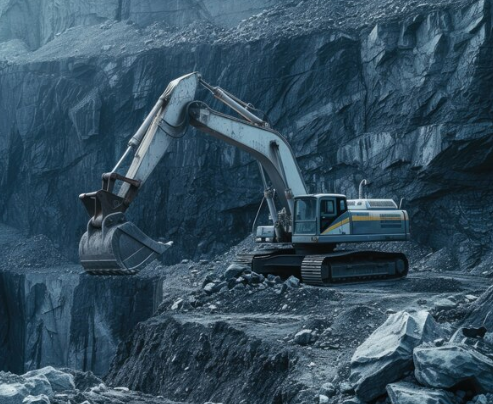
The price of gold is a primary driver of Newmont's stock performance. Historically, gold has been considered a safe-haven asset, especially during times of economic instability or inflation. In recent years, the price of gold has surged due to global uncertainty caused by factors like the COVID-19 pandemic, geopolitical tensions, and inflationary pressures.
As central banks continue to manage interest rates, gold prices may fluctuate based on how they respond to inflation. For Newmont, high gold prices generally translate into stronger revenue and earnings, which positively impacts its stock. Conversely, if gold prices fall due to a stronger dollar or improved economic conditions, Newmont's earnings could be negatively affected.
· Outlook:
Analysts predict that gold prices will remain resilient over the next few years, especially as inflation fears continue. For Newmont, this bodes well, as a steady or increasing gold price will likely enhance its profitability and appeal to investors looking for stability in volatile markets.
Mining companies are increasingly being held accountable for their environmental and social impacts. Investors are more focused on sustainable and responsible practices, which has led to the rise of ESG-focused investing. Newmont has positioned itself as a leader in sustainable newmont mining, with strong commitments to reducing its carbon footprint, enhancing community relations, and improving safety across its operations.
Newmont's strategy includes reducing greenhouse gas emissions and advancing towards zero-carbon operations by 2050. Additionally, the company is investing in renewable energy to power its mining operations, which not only reduces emissions but also cuts costs over the long term.
· Outlook:
Newmont's strong ESG track record enhances its attractiveness to institutional investors who prioritize sustainability. As the demand for greener investments grows, Newmont's focus on sustainability could give it a competitive edge, potentially increasing its stock's long-term value.
Newmont's operations span various regions, including North and South America, Australia, and Africa. Each region presents unique opportunities and challenges, including political instability, regulatory changes, and resource nationalism. For example, some governments may impose higher taxes on mining companies or demand a greater share of mining profits.
Newmont must navigate these complexities to maintain its operations and profitability. On the flip side, some countries are actively encouraging foreign investment in newmont mining to boost their economies. By strategically aligning with these governments, Newmont can potentially expand its operations in resource-rich areas.
· Outlook:
While geopolitical risks remain a concern, Newmont's global diversification provides some insulation against regional issues. Its ability to manage local regulatory and political challenges will be crucial in maintaining investor confidence.
Operational efficiency plays a significant role in a mining company's profitability. Newmont has implemented various measures to improve efficiency and reduce costs, including automation, data analytics, and machine learning technologies. By integrating technology into its operations, Newmont is optimizing ore extraction, reducing energy consumption, and enhancing safety.
Technological advancements in mining are expected to continue shaping the industry. Autonomous vehicles, drone technology, and AI-powered systems are becoming more prevalent in large-scale mining operations, leading to improved productivity and reduced operational costs.
· Outlook:
Newmont's adoption of advanced technologies and its commitment to operational efficiency positions the company for future growth. These improvements will likely contribute to a stronger bottom line and a more favorable stock price over time.
Newmont has a history of strategic mergers and acquisitions that have strengthened its position in the gold mining industry. The company's 2019 acquisition of Goldcorp, for example, created the world's largest gold producer at the time. These acquisitions allow Newmont to increase its resource base, enhance operational synergies, and solidify its market dominance.
M&A activity in the mining sector is expected to continue, especially as companies seek to consolidate resources and reduce operational costs. For Newmont, strategic acquisitions could unlock new growth opportunities and further enhance its value proposition for investors.
· Outlook:
Newmont's strong balance sheet and history of successful acquisitions suggest that it is well-positioned to pursue future M&A opportunities. Any future acquisitions that expand the company's resource base or enhance its operational capabilities could drive stock price appreciation.
Newmont is known for its strong dividend payouts, which have made it a popular choice among income-focused investors. The company's dividend yield has historically been competitive compared to other players in the mining industry, and it has a policy of linking dividends to the price of gold. This provides investors with a direct benefit when gold prices rise.
In addition, Newmont has a share buyback program, which further enhances shareholder value. These initiatives demonstrate the company's commitment to returning capital to its shareholders, making it an attractive investment for those seeking both growth and income.
With stable dividend payouts and a potential for growth driven by rising gold prices, Newmont's stock remains appealing to both growth and income investors. The company's financial discipline and shareholder-friendly policies are likely to sustain investor interest in the coming years.
Macroeconomic trends, such as global inflation, interest rate policies, and economic growth, directly impact Newmont's stock performance. For example, rising inflation can drive demand for gold as a hedge, which would benefit Newmont's stock. Conversely, if central banks raise interest rates aggressively, it could strengthen the dollar, which tends to have an inverse relationship with gold prices.
In addition, economic growth in key markets, especially in emerging economies, could drive demand for gold in jewelry and other applications. This demand growth would positively impact Newmont's revenues and stock performance.
The macroeconomic environment appears favorable for gold in the near to medium term, with inflationary pressures and geopolitical uncertainties providing tailwinds. Newmont is well-positioned to capitalize on these trends, and its stock may benefit from the ongoing demand for gold as an inflation hedge.
Newmont Mining Corp stock has many encouragements for its future stock price, including high gold prices, solid ESG credentials; operational excellence and a downstream M&A strategy. Newmont also faces ongoing risks related to its geographical mix of assets, exposure to volatile gold prices.
Newmont provides investors a nice blend of safety, potentially explosive growth and an income stream via dividends for those who want access to the gold sector. Given the ever-changing landscape of the global economy, it will remain vital in how well Newmont can efficiently maneuver through all facets of the mining sector while implementing eco-friendly and avant-garde practices that will most likely determine the future trajectory their stock.
Stock market investment is always about the right amount of risk and reward. Mining stocks, on account of the ever-changing nature of the market, often show jerky movements induced due to larger geopolitical influences. Coeur Mining Inc. forms one of those numerous mining companies that investors consider adding to their portfolio lists. But the question is, should you buy Coeur Mining stock right now? It examines the company's performance, prospects, and the other main factors likely to impact the stock price to help you make an informed decision.

Coeur Mining's stock performance has seen its share of ups and downs, mirroring trends in the broader precious metals sector. Over the past several years, the stock has been highly sensitive to movements in gold and silver prices. When commodity prices surge, Coeur Mining's stock tends to follow suit, while downturns in metal prices generally pull it down.
In 2023, Coeur Mining stock struggled, in part due to weaker-than-expected precious metals prices and operational challenges at some of its mines. As of 2024, the stock price hovers around lower levels than its 5-year highs, but many analysts believe there could be opportunities for upside depending on certain key factors.
The most significant factor affecting Coeur Mining's stock price is the price of gold and silver. Investors should be aware that Coeur's profitability is tightly linked to these commodity prices, making it a stock vulnerable to market fluctuations. If gold and silver prices rise due to inflation, geopolitical uncertainty, or other macroeconomic factors, Coeur Mining could experience a significant boost in revenue and, consequently, stock price.
Conversely, declining commodity prices could lead to reduced profitability. Potential investors should carefully monitor trends in the gold and silver markets. The unpredictability of precious metal prices adds a layer of risk to Coeur Mining stock, making it suitable for those with a higher risk tolerance.
Coeur Mining's ability to maintain efficient operations at its mines will also play a critical role in determining its stock performance. Production disruptions, labor issues, or higher-than-expected costs could negatively affect profitability. Over the past few years, Coeur Mining has faced challenges at some of its key mining sites, including temporary production slowdowns and increasing operational costs.
However, the company has also made strategic investments aimed at improving production efficiency and expanding its mining capacity. The Rochester mine in Nevada, for example, is undergoing a significant expansion, which could boost output and reduce costs in the coming years. If Coeur successfully manages these operational issues, it could lead to higher stock valuations.
Coeur Mining operates mines in several countries, each with its regulatory environment. The political stability of these regions, coupled with changing regulations related to mining and environmental standards, can impact Coeur's operations. For example, tightening environmental regulations could increase operational costs or delay production timelines.
Investors should also be mindful of geopolitical risks, particularly in Mexico, where Coeur operates one of its most important mines, Palmarejo. Any shifts in government policies, taxation, or local community relations could affect the company's operations and its bottom line.
Coeur Mining has rather high levels of debt. These could weigh on the flexibility of its capital position, which would reduce the capacity to invest in new projects or expand existing ones. A rise in interest rates would raise the cost of its debt and further deteriorate the outlook for its balance sheet position.
On the bright side, Coeur has been striving to alleviate the pain of heavy debt by trying to ease its debt load and enhance liquidity. In every quarterly earnings call last year, management mentioned that they tried to pay down the debt and focus on cash generation. Investors should pay more attention to its financial health and see if its current debt level would negatively affect its future growth.
Despite its challenges, Coeur Mining has promising growth prospects. The Rochester expansion project is a critical piece of this growth strategy, and if successfully executed, it could lead to a significant increase in production capacity and cash flow. Additionally, the company has exploration projects aimed at increasing its reserves of gold and silver, which could add further long-term value.
For long-term investors, Coeur's expansion plans and exploration potential offer a compelling growth story. However, these projects come with execution risks, as delays or cost overruns could negatively impact the stock's performance.
Coeur Mining stock is closely followed by analysts, many of whom have issued mixed ratings in recent years. Some analysts see the company's exposure to gold and silver as a positive in the current inflationary environment, while others remain cautious due to operational and financial challenges. Monitoring market sentiment and expert recommendations can provide valuable insights into whether Coeur Mining stock is a buy, hold, or sell at any given time.
Coeur Mining Company shares can be a very interesting investment for those who feel strongly about gold and silver prices in the future and who can bear the risks in this mining sector. If, for instance, inflation, uncertainty in the world, or even weaker currencies push the price of these metals upwards, Coeur Mining would be in a position to benefit from higher revenues through better stock performance.
Investors also have to consider the issues besetting Coeur Mining, such as operational risks, accrued amounts of debt, and regulatory barriers. The nature of its business implies close linkage to exogenous factors, above all commodity prices, which can make it a pretty volatile investment.
Given Coeur Mining's exposure to market fluctuation and geopolitical risks, better options may exist for risk-averse investors. For more risk-tolerant investors who are possibly bullish on the future of gold and silver, Coeur Mining stock might be of some interest within a diversified portfolio.
Ultimately, investment in Coeur Mining is a function of your investment goals, risk tolerance, and view of the precious metals market. Careful analysis and monitoring of the different factors highlighted above should inform your decision-making process.
Coeur Mining is well-positioned in the precious metals market, with various growth possibilities provided by expansion projects and strategic initiatives. Nevertheless, its stock is not without risks, mainly as it is overexposed to commodity prices and operational challenges. Investors need to consider these factors with caution before making a decision. If you believe in the long-term value of gold and silver, Coeur Mining stock may provide growth opportunities. But as with any investment, it's important to be knowledgeable and prepared for market fluctuations.

In the last several years, there has been a remarkable shift in global copper mining industry dynamics as junior miners have risen to prominence. Together, they hope to advance a new era of discovery for the mining industry and dig up copper riches that lie far beneath their operations just over here. These small-to-mid-sized companies -- often seen as the lifeblood in this industry sector -- are taking on an ever-larger role smelling around for supplies. This is increasingly relevant as surging demand for copper — in line with the global energy transition and industrial electrification — brings junior copper miners to centre stage, enticing investors into a new realm of opportunities while aiding green economy developments.
Smaller businesses that concentrate on the first phases of mineral discovery and development are often considered junior copper miners. These junior miners, with their nimbleness and adaptability, frequently take on more risks in the hopes of producing important discoveries, in contrast to big mining enterprises, which have established operations and huge resources. These businesses often tinker with undeveloped or underexplored areas, hunt for fresh copper resources, and move these projects along to the point where they may be sold to bigger mining firms or turned into producing mines.
Surging Demand for Copper
The appetite for metal has surged significantly in recent times as copper is a vital component of renewable energy technologies, EVs, and infrastructure development. Copper is a vital part of wind turbines, solar panels, and EV batteries — all necessary for the green energy switch. With countries and corporations committing to reduce carbon emissions, demand for copper is primed to soar, making an ideal setting in which junior miners can grow.
The world's greatest copper mines are aging, with a mean ore quality decline degrading their performance, similarly increasing rates of operational costs. And this has created an increasing sense of urgency around new copper discoveries eventually needing to be made. With their exploration focus, junior miners are well placed to ensure the industry helps fill this void. They are typically at the leading edge of discovery and development in new copper deposits, so they play a key role.
The junior mining sector offers unique investment opportunities, particularly for those willing to take on higher risks in exchange for potentially high rewards. Junior copper miners are typically more volatile than their larger counterparts, but successful exploration can lead to significant returns. Additionally, mergers and acquisitions (M&A) activity in the sector has been on the rise, with major mining companies looking to acquire promising junior projects to replenish their copper reserves.
Recognizing the importance of copper in the transition to a low-carbon economy, governments in various countries have introduced policies and incentives to support exploration and mining activities. These include tax breaks, grants, and streamlined permitting processes, all of which benefit junior miners. In some regions, there has been a push to develop domestic copper resources to reduce reliance on imports, further boosting the prospects for junior miners.
Advances in exploration technologies, such as remote sensing, geophysical surveys, and data analytics, have improved the efficiency and success rate of mineral exploration. Junior copper miners are increasingly leveraging these technologies to identify promising targets and reduce exploration costs. This has allowed them to compete more effectively with larger players and accelerate the development of new projects.
In an effort to reduce risks and pool resources, a growing number of junior copper miners are collaborating and forging strategic partnerships with larger mining firms or other stakeholders. Through these partnerships, students can receive the funding and technical assistance they need to move their initiatives forward. Junior miners can also receive assistance in navigating legal obstacles and obtaining social licenses to operate through partnerships with local governments, indigenous groups, and environmental organizations.
Due to the abundance of untapped mineral resources in emerging markets such as Asia, Latin America, and Africa, junior copper miners are increasingly focusing on these regions. Although there are many prospects for fresh copper finds in these areas, there are also drawbacks, including political unpredictability, complicated regulations, and inadequate infrastructure. Juniors who work well in these areas can access these untapped resources and create significant profits.
The COVID-19 outbreak and the ensuing worldwide supply chain disruptions have brought to light the risks associated with extensively depending on foreign supply networks for essential minerals such as copper. This has increased interest, especially in North America and Europe, in building up local copper manufacturing capacities. Leading this change are junior copper miners who are investigating and creating local projects that have the potential to lower import dependency and improve national security.
Despite the challenges, junior copper miners are committed to a sustainable future. They are navigating challenging regulatory landscapes, controlling exploratory risk, and obtaining funding. While the uncertainty of exploration is a reality, many projects have the potential to produce reserves that can be made profitable. Junior miners are also following stringent sustainability guidelines and interacting with local communities, demonstrating their commitment to addressing environmental and social concerns.
Junior copper miners are expected to continue to thrive as long as copper is needed to fuel the global green economy. These businesses will be vital to the exploration and development of new deposits, which will guarantee a steady supply of copper for many years to come. The importance of this exploration cannot be overstated, as it reassures stakeholders about the future copper supply.
Junior copper miners are not just players in the mining sector; they are expected to be the catalysts of innovation and sustainability as the world's energy transition gains momentum. Their capacity to overcome obstacles, secure funding, and make significant discoveries that can meet the world's growing copper demand will determine their success. While the journey is not without risks, the potential benefits for those who succeed are significant. The role of junior miners in fostering innovation and advancing sustainability is a beacon of hope for the future of the mining sector.
A major leader in the international financial services sector, Gold Sachs Group Inc. has long been a focal point for analysts and investors. The performance of Gold Sachs' stock offers crucial information on the status of the banking sector and overall economic patterns. The business is highly renowned for having a big impact on asset management, investment banking, and financial advising. This article extensively examines the most important measures for investors to take into account when assessing Gold Sachs' stock.

An important measure of how much investors are ready to pay for every dollar of earnings is the Price-to-Earnings (P/E) ratio. Divide the current stock price by the earnings per share (EPS) to get Gold Sachs' P/E ratio. According to the latest available data, Gold Sachs' P/E ratio is about 10.5, which is lower than its historical average. This implies that the stock could be cheap, particularly in relation to its banking industry counterparts.
The price-to-book (P/B) ratio determines a stock's market value in relation to its book value. Gold Sachs's P/B ratio is around 1.2. This measure shows that investors are confident in the company's potential for future development and profitability because the stock is trading higher than its book value. A greater P/B ratio indicates that the firm owns significant intangible assets or that the market anticipates excellent future performance.
Gold Sachs Stock has historically been known for providing a steady dividend to its shareholders. The dividend yield is calculated by dividing the annual dividend payment by the stock's current price. Gold Sachs' dividend yield stands at about 2.5%, which is competitive within the financial sector. This yield provides a reliable income stream for investors and potential capital appreciation.
A crucial performance metric called return on equity (ROE) gauges a business's profitability in relation to its shareholders' equity. Impressively, Gold Sachs Stock has a ROE of about 12.8%. This high ROE shows excellent managerial performance and operational efficacy, as well as the company's efficiency in making profits from its equity basis.
Return on Assets (ROA) measures how well a business uses its resources to produce revenue. For a financial services company, Gold Sachs' return on assets (ROA) is respectable at 1.1%. A greater return on assets (ROA) indicates that the business is adept at turning its assets into profitable returns, which supports overall financial stability and expansion.
Earnings per share, or EPS, provide a quick overview of a company's profitability per share. Gold Sachs's current EPS is $32.45, which shows strong earnings growth. A steady increase in EPS is a good indicator that the business is managing its operations well and making growing profits.
Revenue growth is a key indicator of a company's growth and market performance. With a wide variety of financial services, such as investment banking, trading, and asset management, Gold Sachs Stock has seen consistent revenue growth in recent years. The firm has demonstrated endurance and adaptation in a competitive financial market, with its recent sales growth rate of about 5%.
The percentage of revenue left over after operating costs are deducted is known as the operating margin. Gold Sachs's operating margin is around 25%, which demonstrates the company's capacity to sustain high profitability despite operational expenses. A larger operating margin is indicative of effective cost control and strong revenue creation capacity.
The Debt-to-Equity (D/E) ratio evaluates how much debt, in comparison to shareholders' equity, is utilized to fund the company's assets. With a D/E ratio of 2.4, Gold Sachs outperforms the industry average. A larger D/E ratio may be a sign of more financial leverage, but it may also portend dangers for sound money management and stability.
The total market value of a company's outstanding shares is represented by its market capitalization, often known as its market cap. With a market valuation of almost $130 billion, Gold Sachs is among the biggest and most significant financial organizations in the world. Strong market confidence and the company's noteworthy position in the financial sector are indicated by a high market capitalization.
The beta coefficient measures a stock's volatility relative to the overall market. Gold Sachs has a beta of 1.3, indicating that its stock price is more volatile than the market. A higher beta suggests that Gold Sachs' stock experiences larger fluctuations, which may result in higher potential returns but also greater risk.
Free Cash Flow (FCF) represents the cash generated by a company's operations after capital expenditures. Gold Sachs' FCF is substantial, underscoring its ability to generate surplus cash for investments, dividends, and share buybacks. Strong FCF is indicative of financial health and operational efficiency.
The Price-to-Earnings Growth (PEG) ratio evaluates a stock's valuation considering its earnings growth rate. Gold Sachs has a PEG ratio of 1.2, suggesting that the stock is reasonably valued relative to its growth prospects. A PEG ratio below 1 typically indicates undervaluation, while a ratio above 1 may suggest overvaluation.
The stock metrics of Gold Sachs stock offer a thorough understanding of the company's market standing and financial health. The company's great profitability and inexpensive shares are reflected in its low P/E ratio and strong ROE. For investors looking to gain exposure to the banking industry, Gold Sachs remains a compelling choice due to its consistent revenue growth, strong earnings per share, and competitive dividend yield.
On the other hand, the high beta and D/E ratio suggest possible dangers associated with stock volatility and financial leverage. Like with any investment, investors need to take into account their financial objectives and larger market trends in addition to these criteria. By keeping up to date and examining important measures, investors may make well-informed judgments on Gold Sachs' stock and its place in their portfolios.
The stock price of Barrack Gold Corporation, a global leader in the gold mining industry, has been impacted by many variables. Investors and market analysts attempting to manage the volatility and possibilities within the gold industry must have a thorough understanding of these variables. This article examines the main variables influencing Barrack Gold's stock price and offers insights into how these variables combine to influence the market performance of the firm.

The price of gold has the biggest direct impact on the price of Barrack Gold's shares. Barrack's earnings are directly correlated with changes in the price of gold because it is a gold mining corporation. Barrack's profitability usually rises with an increase in gold prices, which might raise the price of its shares. On the other hand, if gold prices drop, the company's earnings and stock value can also drop.
The strength of the currency, particularly the US dollar, inflation rates, and geopolitical stability are some of the variables that influence gold prices. For example, gold is frequently used as a hedge against economic instability and inflation. Gold prices often increase during periods of high inflation or ambiguous economic situations, which benefits Barrack's stock price.
The way that Barrack Gold operates significantly influences the price of its shares. This covers the output levels, cost control, and general efficiency of the business. Investors carefully examine Barrack's yearly and quarterly production reports to see if the business keeps costs under control and achieves its production goals.
Operational difficulties, such as lower-than-expected gold output or increased production costs, may adversely impact the stock price. Conversely, strong production rates, enhanced mining technology, and effective cost-reduction plans may boost profitability and propel stock price increases.
The price of Barrack Gold's shares is significantly impacted by both geopolitical events and the status of the economy. Gold production regions may experience political upheaval or trade disputes, which might disrupt supply chains and impact gold prices. Conflicts in major gold-producing regions, such as Africa or Latin America, for instance, can interrupt supplies, which would affect global pricing and, consequently, the value of Barrack's shares.
A role is also played by economic issues, such as changes in monetary policy and interest rates. Gold prices may be impacted by the monetary policies of central banks, notably by adjustments to interest rates. The opportunity cost of holding gold is frequently reduced by lower interest rates, which might raise the metal's price and help Barrack's stock.
Regulations and environmental concerns abound in the mining industry. Modifications to tax laws, environmental restrictions, and mining regulations may impact Barrack Gold's operations and financial performance. For instance, more stringent environmental laws may raise the cost of compliance, which would affect business profits and stock value.
Moreover, Barrack's capacity to control its environmental effect and follow legal criteria is essential to preserving investor trust. Businesses that have a proven track record of upholding regulations and practicing environmental stewardship are frequently better equipped to handle these difficulties.
Regulations and environmental concerns abound in the mining industry. Modifications to tax laws, environmental restrictions, and mining regulations may impact Barrack Gold's operations and financial performance. For instance, more stringent environmental laws may raise the cost of compliance, which would affect business profits and stock value.
Moreover, Barrack's capacity to control its environmental effect and follow legal criteria is essential to preserving investor trust. Businesses that have a proven track record of upholding regulations and practicing environmental stewardship are frequently better equipped to handle these difficulties.
The way that investors and the market feel about Barrack Gold influences the company's stock price. News about the gold sector, economic projections, and general market movements can all have an impact on investor attitudes toward gold mining equities. While negative sentiment can have the opposite impact, positive sentiment has the potential to increase demand for Barrack's stock and raise its price.
Investment ratings and analyst recommendations also influence investor impression. Financial experts' positive evaluations and projections have the potential to raise investor confidence and purchasing activity, while their negative recommendations may increase selling pressure.
Barrack Gold is a multinational mining company that generates income in several different currencies. Changes in exchange rates may affect the organization's financial performance and stock price. Due to a stronger US currency, manufacturing gold in other currencies may become more expensive, which might lower profitability. On the other hand, a declining value of the US dollar might help Barrack by boosting earnings from overseas operations.
Investors should consider currency concerns when assessing Barrack Gold's stock price. The firm's capacity to control currency exposure and lessen the effects of exchange rate volatility can impact its financial performance and stock price.
The dynamics of gold supply and demand impact Barrack Gold's stock price as well. Gold prices and, by extension, Barrack's stock price are subject to fluctuations due to swings in investment demand and variations in the demand for gold from sectors such as electronics and jewelry.
Gold availability and pricing may be influenced by a number of supply-side variables, including new mining finds, the output levels of other gold miners, and technical developments in the mining industry. Barrack's stock price stability depends on its capacity to adjust to these changes and efficiently manage its output.
A wide range of intricately intertwined factors affect Barrack Gold's stock price, including changes in the price of gold, operational effectiveness, geopolitical and economic situations, company-specific advancements, environmental and regulatory concerns, market sentiment, currency risks, and supply and demand dynamics. Comprehending these factors facilitates investors in making well-informed choices and managing the fluctuations linked to gold mining company investments.
By monitoring these variables and evaluating how they can affect Barrack Gold's financial results, investors can learn a great deal about the company's stock price patterns and make more informed investing decisions. Like any investment, the key to effectively navigating the volatile world of gold mining stocks is staying educated and doing extensive research.
Purchasing the stocks of any of the gold dealing firms can be one of the ways of investing in the gold market. Gold stocks, unlike the actual physical gold, are the shares that are invested in the firms that are in the mining, exploration, and production of gold. The following article outlines the basic procedures that you ought to follow and the factors that you ought to have in mind when Gold Stocks Invest.

Gold stocks can be understood as shares in some company or enterprise that is engaged in the sector of gold business. These firms include some of the largest global firms, as well as small junior mining companies. There are primarily two types of gold stocks:
Major Gold Miners: Global conglomerates possessing large measurable leachable gold resources and gold production capacity. Companies in this industry include Barrick Gold and Newmont Corporation.
Junior Gold Miners: Those with higher growth and higher risk are associated with new exploration and development companies. In some cases, they engage in prospecting for new gold resources or establishing gold mining ventures.
Gold stocks can offer several advantages:
Leverage to Gold Prices: Gold stocks are generally more volatile than the price of gold, and the following facts explain that. Hence, when the price of gold increases, gold stocks tend to increase by a greater margin, giving higher leveraged returns.
Diversification: Therefore, investing in gold stocks can be reliable, especially if you own other classes of investment, such as equities or bonds.
Potential for High Returns: Junior miners especially can give large potential incentives if they produce new gold sources or place projects into production.
Inflation Hedge: Gold, for instance, has long been used as a measure against inflation, and investing in gold shares offers your portfolio the same protection.
Before investing in gold stocks, it's crucial to evaluate your risk tolerance:
Volatility: Hence, it is important to understand that gold stocks are not exactly aligned with the price of gold since operational risks, geopolitics, or particular company concerns can occasion them.
Investment Horizon: Long-term investors would be okay with the volatility that comes with gold stocks as compared to short-term investors.
Financial Stability: Before investing in high-risk assets like junior gold miners, ensure you have a stable financial base and can withstand potential losses.
Effective research is key to successful investing in gold stocks. Here's how to approach it:
Company Fundamentals: Analyze financial statements, including revenue, profit margins, debt levels, and cash flow. Strong financial health is a good indicator of a company's ability to weather market fluctuations.
Reserves and Production: Evaluate the company's gold reserves, production levels, and growth prospects. A company with significant reserves and a strong production track record is often a safer bet.
Management Team: Examine the experience and track record of the management team. A team with a proven history of successful gold exploration and mining is a positive sign.
Geopolitical Risks: Consider the locations where the company operates. Countries with stable political environments are generally less risky than those with frequent changes or conflicts.
Valuation Metrics: Look at valuation metrics such as price-to-earnings (P/E) ratios, price-to-earnings growth (PEG) ratios, and price-to-net asset value (P/NAV) to determine if the stock is fairly valued.
Historical Performance: Review the stock's historical performance, including how it has reacted to past gold price fluctuations and market events.
Diversification can reduce risk and improve returns:
Spread Your Investment: To mitigate risks, avoid putting all your money into a single gold stock. Instead, spread your investment across several companies.
Include Different Types of Gold Stocks: To balance stability and growth potential, consider investing in both major and junior gold miners.
Sector Diversification: Look at related sectors, such as silver or other precious metals, for additional diversification.
Various factors influence gold prices:
Economic Conditions: Inflation, interest rates, and currency fluctuations can impact gold prices. Monitor these economic indicators to anticipate changes in gold prices.
Market Sentiment: Follow news and trends in the gold industry. For example, geopolitical tensions or changes in central bank policies can affect gold prices and, consequently, gold stocks.
Technological Advances: Stay informed about technological innovations in gold mining, as these can impact the efficiency and profitability of gold mining companies.
When investing in gold stocks or ETFs, consider the associated costs and fees:
Trading Fees: Examine how brokerage charges for purchasing and selling of stocks. These tend to pile up, notably if one is engaging in cost averaging, day trading, or frequent trading.
Management Fees: For ETFs, the MER, or management expense ratio, is the fee the fund charges investors for managing the underlying investments.
Continuous Integration of Information and Switching of Tactics
The gold market and individual companies can change over time:
Regular Reviews: Make it a point to rarely check on gold stock investments to see if these are still in line with objectives and plans and are acceptable to risk.
Adapt to Changes: You must be willing and ready to tweak this plan due to fluctuations in the gold market, corporate performance, or micro/macroeconomics.
Rebalancing: You should continuously adjust your portfolio depending on the proportion you want to part with gold stocks and other investments.
For more information about investing in gold stocks or if you require professional advice, you may want to seek the service of a financial advisor. They can assist in identifying customer needs and developing an investment plan that meets those needs.
Personalized Advice: A financial advisor is in a good position to explain where investors should invest in gold stocks based on the investor's current investment profile.
Risk Management: They can guide you on how to minimize risks and which decisions to make according to your budget and needs.
Purchasing in gold stocks provides a method of gaining in the gold market without having to buy gold bars. There are several steps one must take to ensure that one might improve their probability of obtaining favorable returns in gold stocks invest. One has to understand the basics of gold stocks, then determine their tolerance level, conduct thorough research, and be diverse. Be aware of the current trends in the market, consider the costs that are connected with it, and consult with a specialist if necessary. If managed properly and after doing some research, gold stocks should be a good addition to the investor's arsenal.
One of the major participants in the worldwide gold mining market is Newmont Mining Corp (NYSE: NEM). Numerous elements, such as market circumstances, operational strategy, and larger economic effects, are reflected in its stock performance. This article explores several aspects, like competitive positioning, financial health, risk management, and industry forecast, in addition to providing a thorough analysis of the patterns affecting Newmont Mining Corp Stock.
Newmont Mining Corp's stock has shown notable volatility in recent months, reflecting both broader market trends and specific company dynamics. Fluctuations in gold prices, investment, and macroeconomic factors have influenced the stock's performance. Understanding these trends requires examining recent performance and historical data to gauge the stock's behavior in various market conditions.
The main factor influencing Newmont's stock performance is the price of gold. In general, Newmont's stock has been supported by the current higher trend in gold prices, which inflationary pressures and global economic worries have driven. Nonetheless, changes in interest rates, the value of currencies, and geopolitical events can all have an impact on gold prices. For example, fluctuations in gold prices and, subsequently, Newmont's shares might result from shifts in U.S. Federal Reserve policy or geopolitical concerns.
The main factor influencing Newmont's stock performance is the price of gold. In general, Newmont's stock has been supported by the current higher trend in gold prices, which inflationary pressures and global economic worries have driven. Nonetheless, changes in interest rates, the value of currencies, and geopolitical events can all have an impact on gold prices. For example, fluctuations in gold prices and, subsequently, Newmont's shares might result from shifts in U.S. Federal Reserve policy or geopolitical concerns.
Geopolitical events and macroeconomic conditions can have a profound impact on Newmont's operations and stock performance. Political instability in key mining regions, changes in trade policies, and fluctuations in commodity taxes can create operational challenges. Moreover, global economic conditions, such as inflation rates and currency exchange fluctuations, also affect the company's financial performance and investor sentiment.
Newmont's strategic initiatives are vital for its stock performance. Recent mergers and acquisitions, such as the integration of smaller mining assets, can enhance its resource base and production capabilities. Similarly, divestitures of non-core assets can streamline operations and focus resources on high-value projects. Company-specific challenges, such as project delays or unexpected operational issues, can influence investor perceptions and stock trends.
Technological advancements play a significant role in Newmont's operations. The company's investment in automation, artificial intelligence, and data analytics is aimed at enhancing operational efficiency and reducing costs. Innovations in mining technology, such as advanced ore processing techniques and remote-controlled mining equipment, contribute to increased productivity and lower environmental impact. These technological improvements can positively influence Newmont's stock by boosting operational performance and sustainability credentials.
ESG considerations are increasingly important for investors evaluating Newmont's stock. The company's commitment to sustainability, responsible mining practices, and community engagement affects its market reputation. Newmont's efforts to lessen its environmental impact, such as cutting back on greenhouse gas emissions and water use, are in line with international sustainability trends. Effective governance practices, including transparency and ethical business conduct, further enhance its attractiveness to investors focused on ESG criteria.
Investor sentiment and broader market trends play a crucial role in shaping Newmont's stock performance. Market perceptions about the company's growth prospects, risk management, and overall industry health can drive stock price movements. Positive developments, such as favorable analyst recommendations or successful project launches, can boost investor confidence. Conversely, negative news or market downturns can lead to stock declines.
Analyst recommendations provide valuable insights into Newmont's stock prospects. Analysts assess the company's financial health, growth potential, and valuation, offering forecasts and target prices. Recent analyst reports may highlight factors such as expected gold price trends, production forecasts, and cost management strategies. Investors should consider these recommendations alongside their research to make informed investment decisions.
The state of Newmont's finances has a big impact on the stock's performance. Key performance metrics, including debt levels, cash flow, and profitability ratios, provide insight into the business's finances. In order to maintain investor confidence and sustain stock performance, Newmont has to be able to control its debt, maintain healthy cash reserves, and generate consistent revenue.
Managing risks effectively is essential for surviving the unstable mining industry. To control its exposure to changes in the price of gold and other financial risks, Newmont uses hedging techniques. By utilizing financial instruments like options and futures contracts, Newmont can reduce the impact of unfavorable price fluctuations and stabilize income. These risk management techniques can boost the value of the company's shares and lead to more consistent financial performance.
The way that Newmont competes in the mining sector affects the direction of its stock. The business must be able to keep a competitive advantage through resource management, cost reduction, and technology innovation. Understanding Newmont's stock behavior may be further enhanced by contrasting its performance with that of its mining industry competitors. The supply and demand for gold are examples of industry developments that affect Newmont's stock performance and market standing.
A number of variables will influence future stock patterns for Newmont Mining Corp. Analysts will actively monitor Forecasts for the price of gold, operational effectiveness, and the state of the world economy. Newmont's stock performance in the future will be largely dependent on its capacity to carry out its strategic initiatives, control expenses, and handle geopolitical concerns. The company's capacity to manage risks effectively and make continuous investments in sustainability and technology will be crucial to its long-term success.
Newmont Mining Corp's Stock trends are influenced by a complex interplay of factors, including gold price dynamics, operational efficiency, geopolitical conditions, and company-specific developments. As a leading gold producer, Newmont's stock reflects broader industry trends and investor sentiment. By staying informed about these factors and their potential impact on Newmont's stock, investors can make more informed decisions and navigate the complexities of investing in this sector.
In summary, while Newmont Mining Corp's stock has shown fluctuations, its position in the gold sector, commitment to operational efficiency, technological advancements, and strong ESG practices provide a solid foundation for future performance. Investors should continue to monitor gold market trends, company developments, and broader economic indicators to make strategic investment choices.
Newcrest Mining Ltd, one of the world's largest gold mining companies, is a prominent player in the mining industry with operations across Australia, Papua New Guinea, Canada, and other regions. As the world transitions to more sustainable energy sources and focuses on economic recovery post-pandemic, the mining sector, particularly gold mining, remains a significant area of interest for investors. This article delves into the prospects for Newcrest Mining Ltd Stock, considering market trends, company performance, strategic initiatives, and external factors that could influence its trajectory.
The demand for gold has historically been driven by its status as a safe-haven asset, particularly during times of economic uncertainty. In recent years, global economic instability, geopolitical tensions, and the COVID-19 pandemic have heightened interest in gold as a store of value. While cryptocurrencies and other assets have emerged as alternative investments, gold's inherent value and historical reliability continue to make it a preferred choice for many investors.
In 2023, the gold market experienced volatility due to fluctuating economic indicators, changes in monetary policy, and varying levels of inflation across different economies. As central banks around the world adjusted interest rates to manage inflation, gold prices reacted accordingly. Newcrest Mining Ltd, with its substantial gold reserves, is positioned to benefit from any sustained increase in gold prices. Analysts predict that if inflationary pressures persist, gold prices could see upward momentum, directly benefiting Newcrest's financial performance.
Newcrest Mining Ltd. has demonstrated resilience and operational efficiency, which is reflected in its financial performance. For the fiscal year ending June 2023, the company reported solid production output and robust revenue growth. Key operations, including the Cadia and Lihir mines, have consistently delivered strong production numbers, contributing to overall stability.
Newcrest's balance sheet is strong, with manageable debt levels and healthy cash reserves. This financial stability allows the company to invest in expansion projects, exploration activities, and technological advancements, all of which are crucial for long-term growth. The company's commitment to maintaining low-cost operations and improving productivity further enhances its financial health, making it an attractive option for investors seeking stability in the mining sector.
Newcrest Mining Ltd. has embarked on several strategic initiatives to secure its future growth. One key area of focus is the expansion of existing operations and the development of new projects. The company's Havieron project in Western Australia, a joint venture with Greatland Gold, is one such initiative. Havieron has shown promising results, and its potential to become a significant gold-copper operation could substantially boost Newcrest's production profile.
Additionally, Newcrest's acquisition strategy aims to diversify its portfolio and reduce geopolitical risks. The recent acquisition of Pretium Resources and its Brucejack mine in Canada is a testament to this approach. The Brucejack mine, known for its high-grade gold production, adds another valuable asset to Newcrest's portfolio and strengthens its presence in a stable mining jurisdiction.
As the world increasingly prioritizes sustainability and environmental responsibility, mining companies face growing scrutiny regarding their environmental practices. Newcrest Mining Ltd has committed to reducing its environmental footprint and adhering to stringent sustainability standards. The company's focus on reducing greenhouse gas emissions, improving water management, and minimizing waste aligns with global sustainability goals.
Newcrest's efforts to integrate renewable energy sources into its operations, such as solar and wind power, demonstrate its commitment to sustainable mining practices. These initiatives not only enhance the company's reputation but also position it favorably in the eyes of environmentally-conscious investors. In an era where Environmental, Social, and Governance (ESG) factors play a crucial role in investment decisions, Newcrest's proactive stance on sustainability could attract a broader investor base and positively impact its stock performance.
Innovation in mining technology is transforming the industry, enhancing efficiency, safety, and sustainability. Newcrest Mining Ltd has been at the forefront of adopting new technologies to improve its operations. The company's use of automation, data analytics, and advanced exploration techniques has resulted in increased productivity and cost savings.
A good example is the application of block caving at Newcrest, a cheap underground mining method that facilitates the mining of big jams. Accompanied by real-time data analysis and failure prevention, it helps achieve optimal output and the least interruption to operations. Education on technology continues to be proper to sustain the firm's operations as it adapts to the new changes within the industry.
A number of factors and risks are significant enough to impact Newcrest Mining Ltd's stock, although fundamental analysis does indicate that this firm has a high potential. The main risks consist of the heavy volatility of gold prices because of the world economic condition, monetary policies, and investors' sentiments. Further, the social factors affecting the industry are the political risk that might influence Newcrest's operations and the changes in regulations in different regions.
However, before carrying out mining and intends to mine, one has to consider environmental compliance and the relations with the community. Any slip on the part of the firm in implementing the environmental standards or in handling community relations would lead to legal as well as reputational issues. These risks can, however, be avoided due to Newcrest's commitment to sustainability as well as the investment in social relations. Still, there is a need to monitor the various legal frameworks in the regions constantly.
Newcrest Mining Ltd has rather a favorable outlook for the company's stock: grounded in sound market position, high levels of financial performance, ambitious development strategy, and responsibility for social and environmental impact. With the world being gradually shifted towards globalization coupled with its effect on the financial markets, gold is almost certain to remain steady as a haven commodity, which will be greatly beneficial for Newcrest.This paper will focus on finding out whether Newcrest Mining Ltd stock is suitable for investors who seek investment opportunities in the mining industry with a particular interest in gold mining. From the analysis, the future growth prospects of the company are huge because it adheres to operational excellence, acquisitions, and technology innovation. At the same time, it is necessary to be conscious of the pros and cons of other aspects contributing to the external environment for stock fluctuation. In this way, through the assessment of the suggested factors, the investors can adequately manage their investment in Newcrest Mining Ltd stock.

