
Gold has long captivated investors, prospectors, and adventurers alike. Among the various forms of gold investment, one of the most practical and potentially lucrative is investing in placer gold claims. For those drawn to the spirit of the American West, Colorado stands out as a state rich in history and geological variety, offering abundant opportunities for placer gold mining. This article explores the benefits, key considerations, and practical aspects of investing in placer gold claims for sale in Colorado.
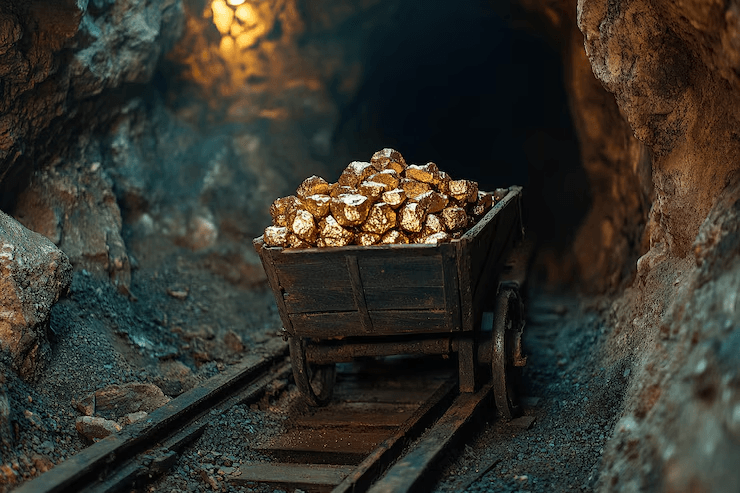
Placer gold refers to gold that has eroded from its original source and settled in alluvial deposits such as stream beds, riverbeds, or valleys. Unlike lode gold, which is found within solid rock formations, placer gold typically appears as flakes, nuggets, or fine dust. This free gold is extracted through placer mining methods such as panning, sluicing, dredging, or high banking.
A placer gold claim grants its holder exclusive rights to extract gold and other minerals from a specific area of federal land. These claims can be sold, leased, purchased, or inherited, making them appealing investment opportunities for both beginner prospectors and experienced investors.

Colorado boasts a rich mining heritage that dates back to the Gold Rush era of the mid-1800s. Regions such as Park County, the San Juan Mountains, and Clear Creek County are well known for their abundant gold deposits. This long history provides a wealth of documented and proven placer gold locations, making investment in these areas relatively less risky for modern prospectors and investors.
One of Colorado’s greatest advantages in placer gold formation is its unique geology, featuring high-altitude terrain, glacial valleys, and extensive river systems that have been shaped over millennia. These geological conditions create ideal environments for gold deposition. Investors and prospectors can identify promising placer claims by consulting the state’s detailed geological maps and historical mining records.
Colorado’s Department of Natural Resources, together with the Bureau of Land Management (BLM), provides clear and comprehensive guidelines for acquiring and maintaining placer gold claims. Although the regulations are stringent to safeguard the environment and public lands, they also establish a transparent and reliable framework that supports legitimate investment and responsible mining operations.
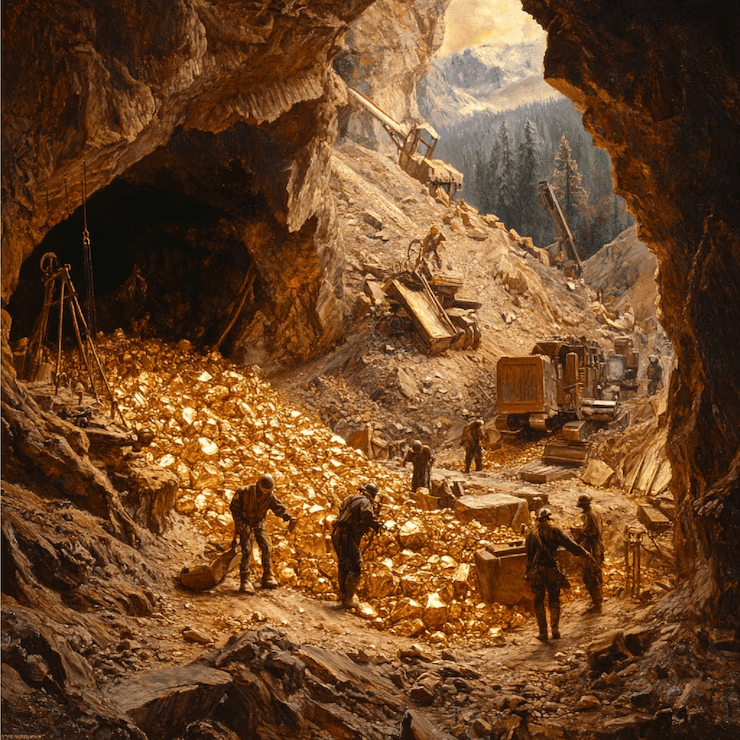
The land can either be mined by the owner or leased to outside companies to generate passive income. In a few instances, revenue can also be earned from the direct sale of extracted gold to buyers.
Historically, gold has served as insurance against economic turbulence and inflation. By possessing a source of raw gold, investors can cushion their wealth against market changes.
As gold becomes more limited in availability, anywhere and, of course, more so in the formerly more productive mines in places such as Colorado, the worth of gold mines will tend to increase with time.

Gold claims are not made equal. The validity of the claim, the availability of gold, water, and roads, and conformity with environmental and land use regulations are important to be checked. It is advised to conduct third-party geological surveys and site inspections.
Although mining claims can be relatively affordable to acquire, ranging from a few thousand to several hundred thousand dollars, they do require ongoing expenses for maintenance, equipment, and labor. The Bureau of Land Management (BLM) also requires annual filings and quarterly maintenance fees to keep each claim in good standing.
Mining activities must comply with both state and federal environmental regulations. This includes proper waste management, conservation of water resources, and strict restrictions on ecological disturbance. In some cases, additional permits may be required to carry out mechanized or large-scale operations.
Gold prices are erratic. Though this may raise the possibility of higher returns, it also comes with risk. The timing of mining and selling operations may influence profitability by correlating it with the state of the market.

Several websites and brokers only sell gold mining claims. Websites such as MineCache, LandWatch, and Gold Rush Expeditions showcase vetted claims, including geologic accounts, global positioning coordinates, and ownership.
Mining claims can be covered in a public record issued by the Bureau of Land Management. The LR2000 database enables prospective buyers to establish whether a claim exists and whether it is valid as per the law.
A visit to the site is a necessity prior to buying. Read the terrain to find old mining evidence, ease of access, and the existence of water. Panning the samples to ascertain their presence is also helpful.


Investing in placer gold claims for sale in Colorado is not just a nostalgic nod to the past; it’s a modern strategy for asset diversification, income generation, and hands-on adventure. Colorado’s rich geology, well-developed mining laws, and wealth of historical data make placer gold investment opportunities among the most accessible and profitable in the state. However, like any other investment, it requires careful planning, due diligence, and a balanced understanding of both risks and rewards. Whether you’re a seasoned investor or an aspiring miner with dreams of discovering gold or silver, Colorado’s placer gold claims may offer your chance to strike it rich both literally and figuratively.

