

Acquisition of a placer gold claim may be such an exciting experience among prospectors and investors wishing to exploit one of nature's most persistent treasures, gold. Nonetheless, it requires a good understanding of mining rights, property law, and the mining process. This manual will assist novices in navigating the process of acquiring a placer gold claim for sale without going bankrupt.

The placer gold claim is a right to harvest alluvial gold in any river, creek, or streambed. In contrast to hard rock mining, placer mining targets loose material. Such claims are found on federal or state land, and are usually leased or sold to the former owners. Knowing this difference will help buyers determine the true value of the claim and its potential to be fruitful.
Before purchasing a placer claim, it is important to understand the legal regulations that govern mining in your area. The Bureau of Land Management (BLM) regulates claims in the U.S. Other states may impose additional requirements, such as payment of fees and annual maintenance, as well as environmental limitations. Get to know these laws so that you do not get into trouble with the law in the future. Any failure would lead to the loss of rights to claims.
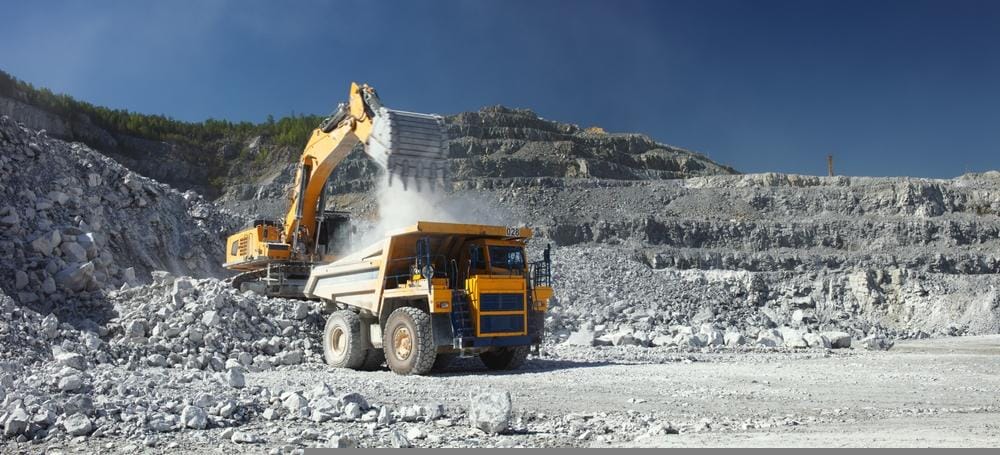
Everything is location when purchasing a placer gold claim. Traditional gold mines have better chances of producing. The history of placer mining in states like Alaska, California, Nevada, and Colorado is long. Research local geological reports, topographical maps, and mining records to identify potential locations. The location can also be visited prior to purchase to ensure accessibility, that the terrain can accommodate the mining activity, and that it is not too far from water sources.
Before making a payment, always confirm the legality of the claim. Confirm whether it is an active claim, not subject to litigation, and the same is registered with the BLM or the local mining department. Numerous scam entries exist in which sellers attempt to sell imaginary or expired claims. Compare the number of claims received with the official records, the owner information, and the filing date. Due diligence makes sure that you are purchasing a valid and legal mining right.
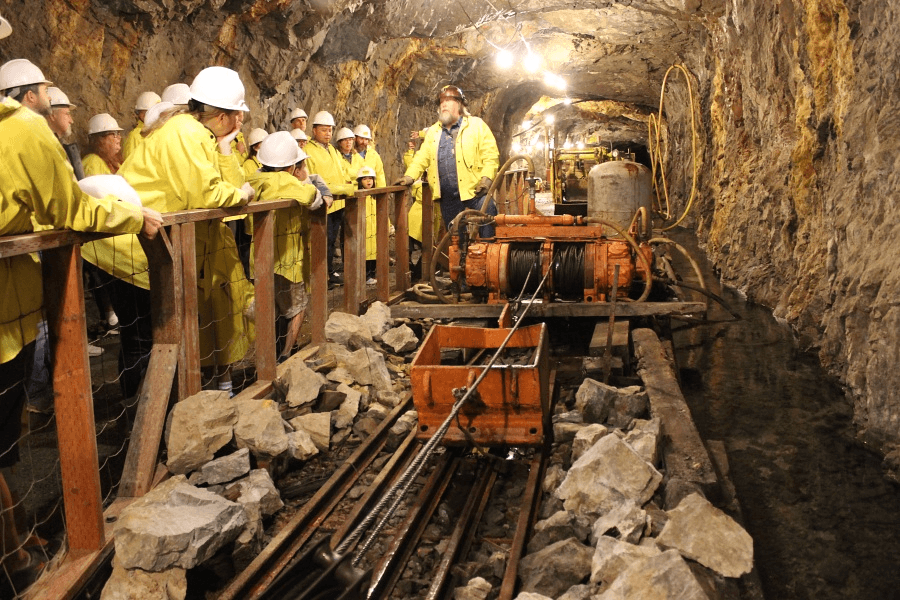
The real value of a placer claim is its potential for gold. Sample gold presence and concentration-Request sampling reports or on-site test panning to establish the presence and quantity of gold. There can be useful information in historical mining records, the composition of the sediment, and the proximity of the claim to known gold streams. Although a few of the claims could be a promotion of easy gold, it needs to be realistic; not all claims can yield high returns.
The best placer claim ought to be reachable through road or trail, and the topography ought to be manageable to install equipment. Remote and isolated places might have richer deposits but pose greater operational challenges. Look into water, power supply, and facilities in the camp. Claims are made closer to towns or supply centres, so logistics costs are low. Assessment of accessibility makes mining activities efficient, economical, and sustainable within the season.
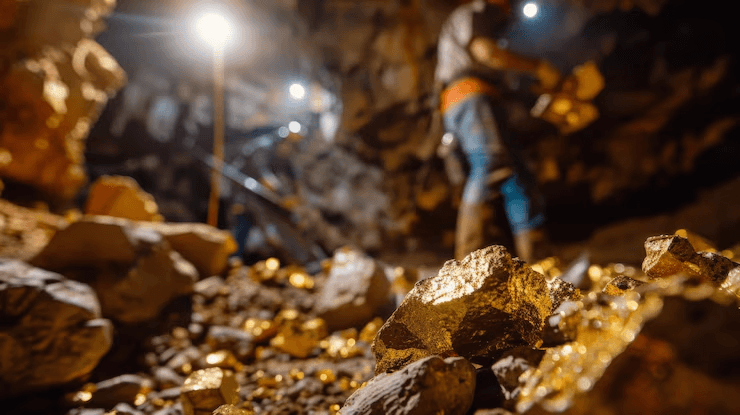
One of the most important points that an amateur should not ignore is the distinction between surface rights and mineral rights. A placer claim purchase typically provides the right to extract minerals, but not the right to the land. The surface owners are still allowed to graze, log, or use recreational rights. It is best always to explain such differences to the local authorities or landowners to avoid conflicts. The right knowledge protects your investment and enables the operations to run smoothly.
Contemporary gold mining includes environmental regulations, which are an important component of the process. Prior to the purchase of a claim, you should examine whether the claim has any restrictions or reclamation requirements attached to it. The zones can also be considered areas under protection, restricted for mining. Ensure the statement complies with environmental standards to avoid fines or closures. Responsible mining goes beyond the protection of nature; it will ensure that your claim has long-term value.
Other placer gold claims may have pending debts, taxes, or lawsuits. Do a title search of the property to determine that there is no lien or encumbrance on the property. This is either through the County's local offices or the BLM. This step should not be disregarded, as it would lead to costly lawsuits in the future. All transactions and mining activities must also have clear ownership records before finalization.

Do not work with sellers who have no reputation and offer unclear terms of transaction. Survey the online reviews, mining forums, and referrals from previous customers. A good seller must be willing to provide assay reports, claim maps, and filing certificates. Sellers who hurry you to pay or do not give complete records should be avoided. Checking credibility helps avoid fraud and provides a secure way to buy.
Acquisition of a placer gold claim for sale may be an adventure and a good investment - but of course, it is only when done with care and expertise. Legal research, field inspections, and environmental compliance are essential to making everything successful. You may be a weekend prospector or an investor, but with this knowledge of these basics in hand, you can make sound decisions and find the gold responsibly and profitably.

