
Purchasing an Alaska gold mining claim is a highly attractive investment opportunity, but it should be carefully considered to ensure long-term profitability and legal protection. Alaska has a rich mining history, a variety of terrain, and gold deposits with high potential, such that the choice of claim could prove to be the difference. This is the complete guide on how to select the best Alaska gold mining claims for sale; each point is clarified in clear and organized detail.
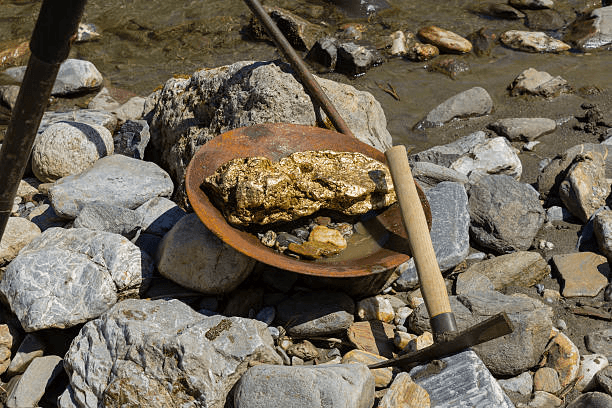
It is essential to be aware of the various mining claims in Alaska before purchasing them. The two are placer and lode claims, which are the most common. Placer claims have to deal with gold that is present in streambeds, gravel, and sediment, whereas lode claims are associated with gold that is entrenched in solid rock. They all involve various mining methods, investments, and equipment. The knowledge of these differences will allow you to select the type of claims that fits your skills, budget, and long-term objectives.
The distribution of gold is also highly diverse in Alaska, and geological studies are a priority. Read geological maps, the record of past mining and assays to find out what the area has the potential to produce in terms of gold. Prospects in proximity to known gold belts, old workings, or productive placer streams are generally more promising. By examining the soil composition, mineral indicators, and local river operations, one can conduct a further evaluation to determine whether the claim has a good chance of recovering gold in large amounts and is valuable.
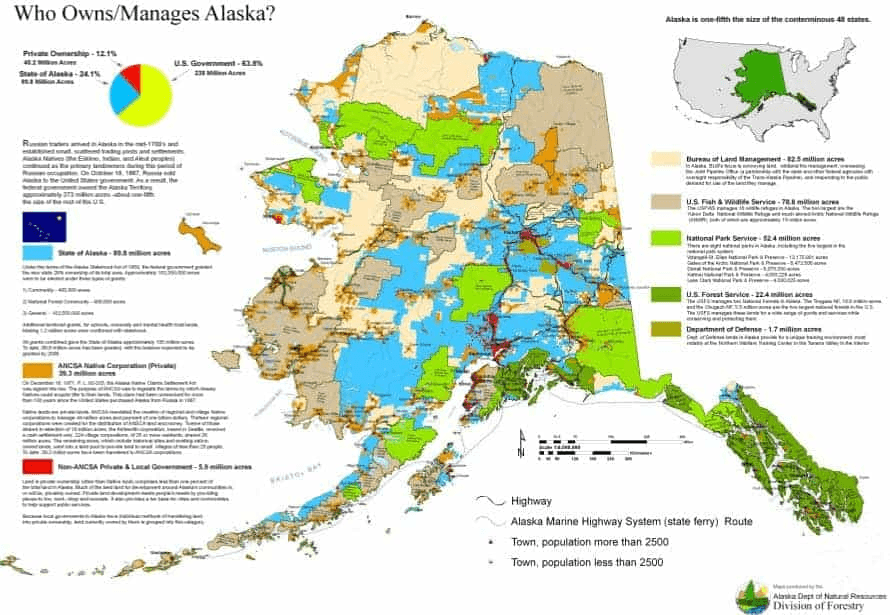
It must be ensured that the claim is legally valid to make purchases. Verify ownership with the Bureau of Land Management (BLM) and ensure that all annual returns, fees, and documentation are up to date. The claims can include disputes, lapses, or unrecorded transfers. It is advisable to review the history of ownership and ensure that the seller is within the law to transfer the claim, thereby preventing any possible legal complications or financial losses in the future.
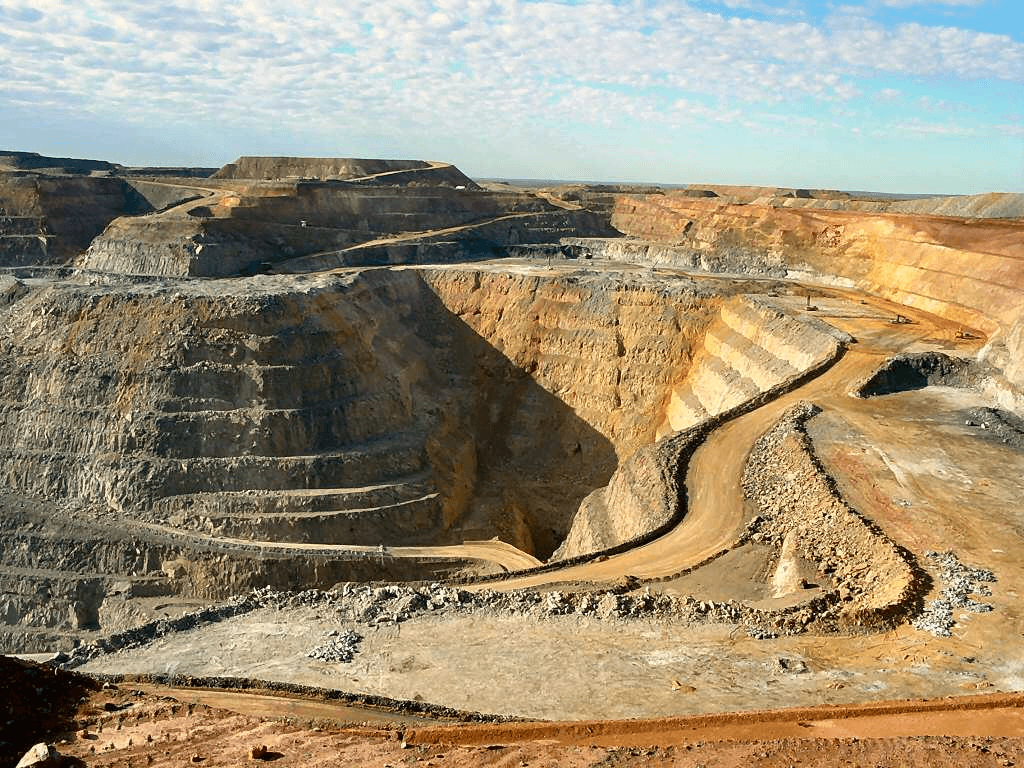
Accessibility contributes significantly to the practicability of a claim and its associated running expenses. The accessibility of some Alaska claims can only be accessed by bush planes, boats, or off-road trucks, which can make logistics costs very high. Consider the ground and climatic conditions, as well as the distance to supply towns. A claim that can be accessed with less difficulty means that transporting equipment, fuel, and personnel can be carried out easily. Knowing the terrain conditions also prepares one for difficulties such as steep slopes, dense vegetation, or water barricades.
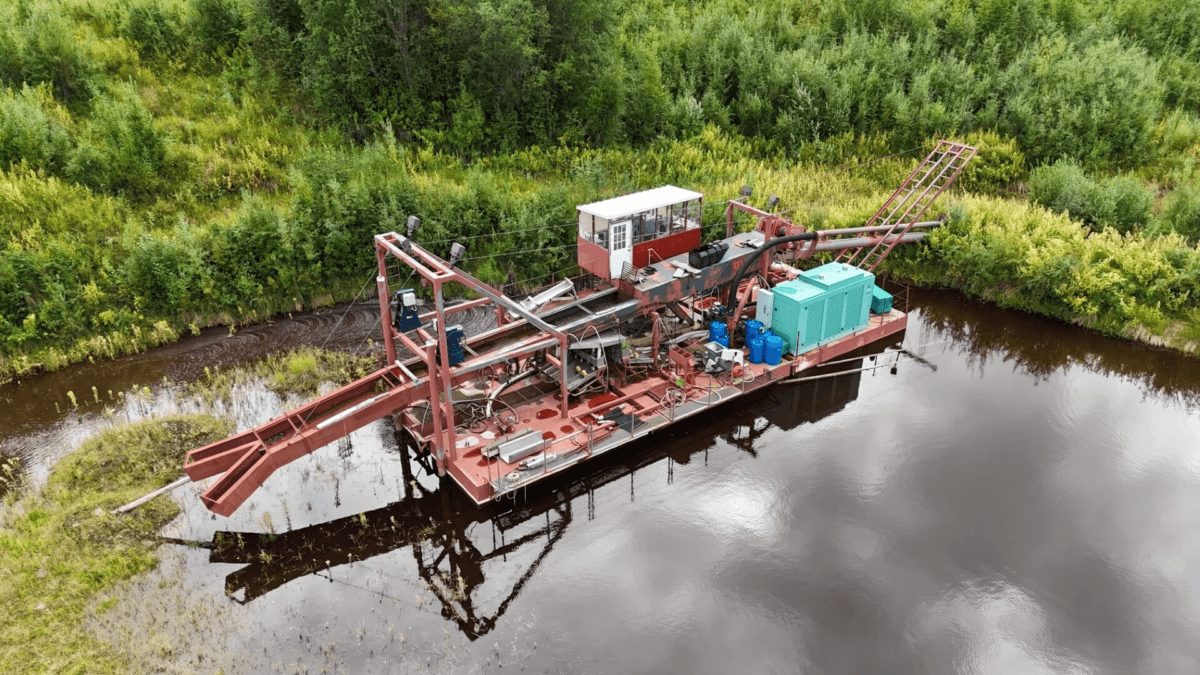
Placer mining requires the availability of water, particularly in the use of sluice boxes, dredges, or wash plants. Establish access to reliable sources of water, such as streams, rivers, or natural springs. Water flow can be influenced by seasons; therefore, it is essential to ensure it is available throughout the year. Ensure that the water supply is legally accessible and complies with Alaska regulations for water. Access to clean water enhances productivity, lowers expenses, and has no impact on mining activities.
A claim that has been produced historically can provide one with a good idea as to whether it is a profitable claim. Check any mining records, assays, or records of the operators. Investments that have consistently paid off throughout history are generally considered safe. However, without historical mining data, it does not necessarily imply low potential, as some areas have not been thoroughly explored. Nevertheless, the claims where previous production has been proven have less uncertainty and allow you to estimate the future returns more accurately.
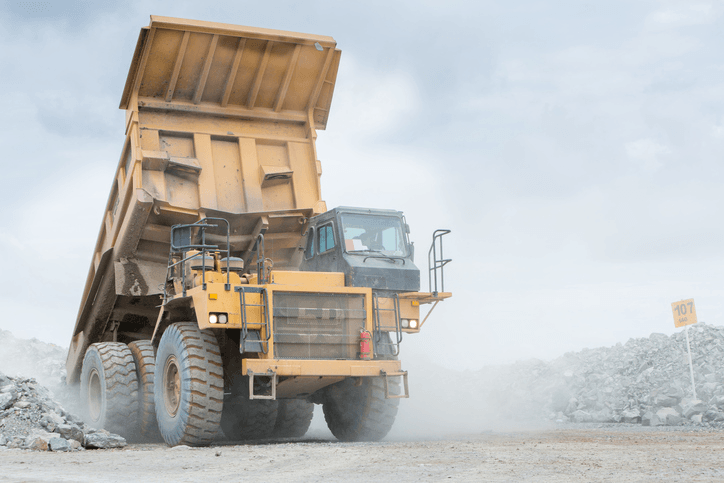
The equipment requirements of each mining claim vary based on the terrain, depth of gold, and the type of mineral deposit. Divide the total investment required, which would be the machinery, labor, permits, transport, and fuel. Claims that involve heavy equipment can yield greater returns, but also require more substantial start-up capital. Create a budget and compare it against the operational costs expected to fall within your budget to ensure the project is viable. This analysis helps you avoid unexpected expenses in the future.
One of the most significant processes is physical inspection. Being at the site gives you the opportunity to identify its location, limits, topography, water accessibility, and potential risks. It is also possible to determine the density of vegetation, the type of soil, and the land use. A meeting with residents or miners provides a valuable insight into the actual productivity of the claim. By visiting the land, you will no longer get caught by any unexpected circumstance and will have an eye view of the mining potential of the claim.
The environmental and mining laws are very stringent. Before acquiring a claim, familiarize yourself with the permits required, including Alaska DNR mining approvals, water use permits, and environmental compliance documents. These policies safeguard the natural habitats but could restrict some mining operations. This knowledge of the permitting requirements enables you to approximate timelines and costs more efficiently. Appropriate compliance also ensures that your mining operations are safe, legal, and environmentally responsible.
To select the optimal Alaska gold mining claims for sale, one must conduct thorough research, examine them, and have a clear understanding of the geological and legal factors. The decision made by assessing the gold potential, accessibility, water, and regulatory demands, as well as the long-term value, will help you make a sound decision, which will maximize your opportunities for success. Starving in a small-scale miner or an investor in search of a high-value asset, the appropriate Alaska gold mining claim could be the reward in terms of both profitable financial and exploration opportunities.

